The Quintessential Experience of Vavuniya Archaeological Museum
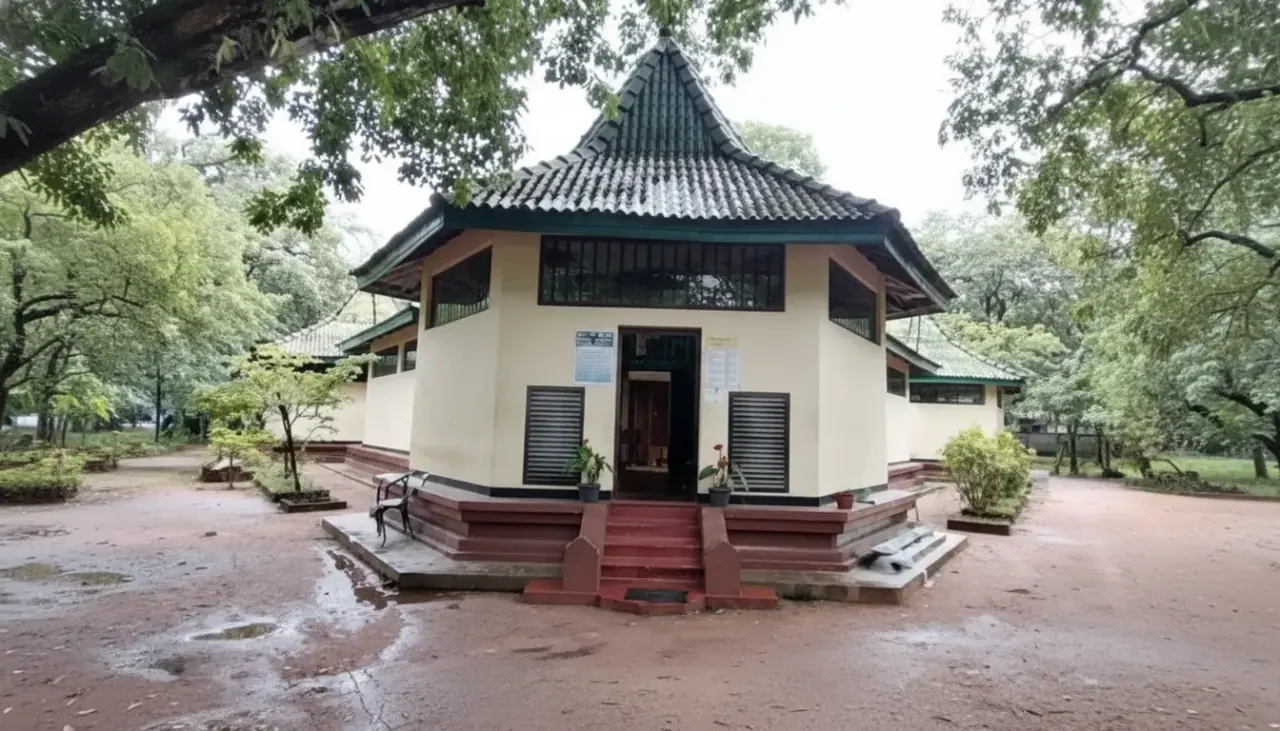
The Vavuniya Archaeological Museum stands as the premier cultural guardian of the Northern Province, offering visitors a meticulously curated journey through the layers of Sri Lanka's multifaceted history. While Vavuniya is often seen as a transit hub, this museum is a destination in its own right, housing a collection that spans from the prehistoric era to the late medieval period. It serves as a vital bridge, connecting the artifacts of the deep north with the administrative traditions of the central kingdoms, reflecting the unique cultural symbiosis that has always defined the Vanni region.
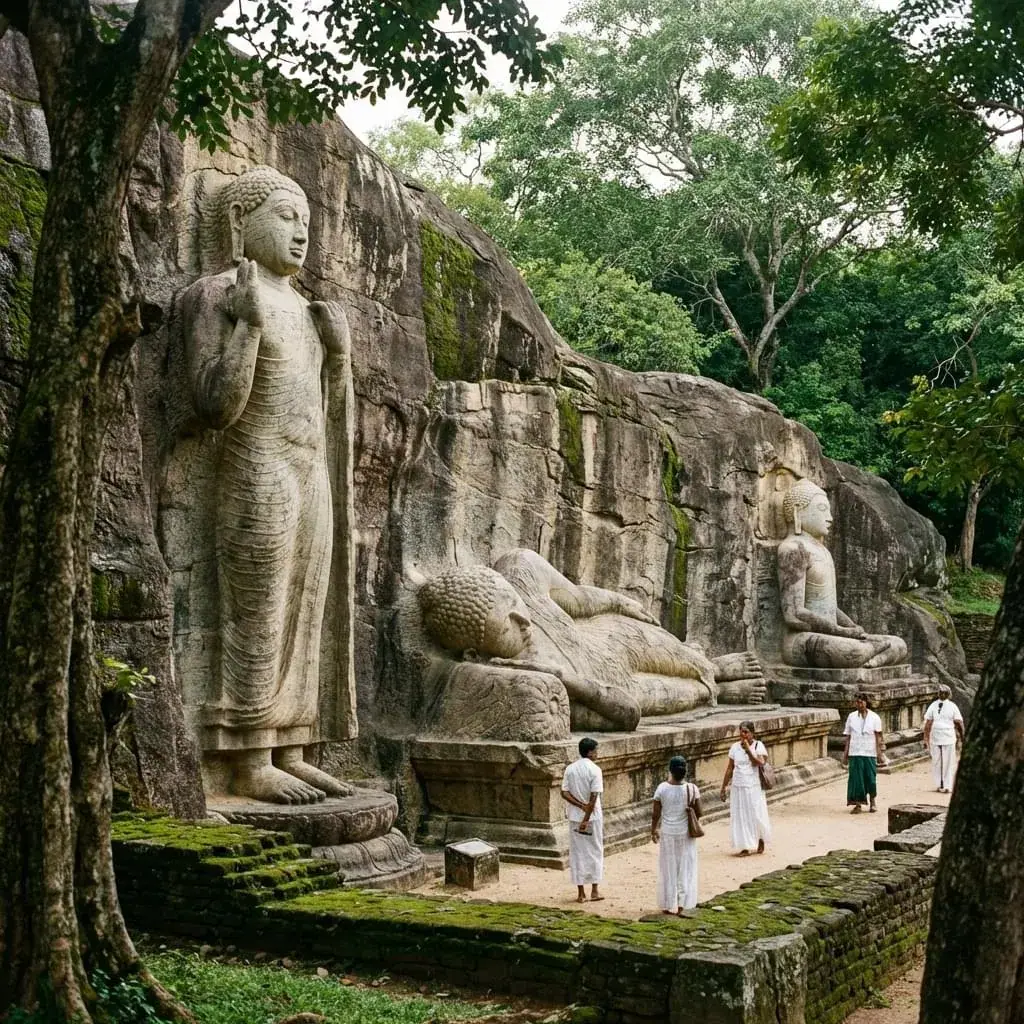
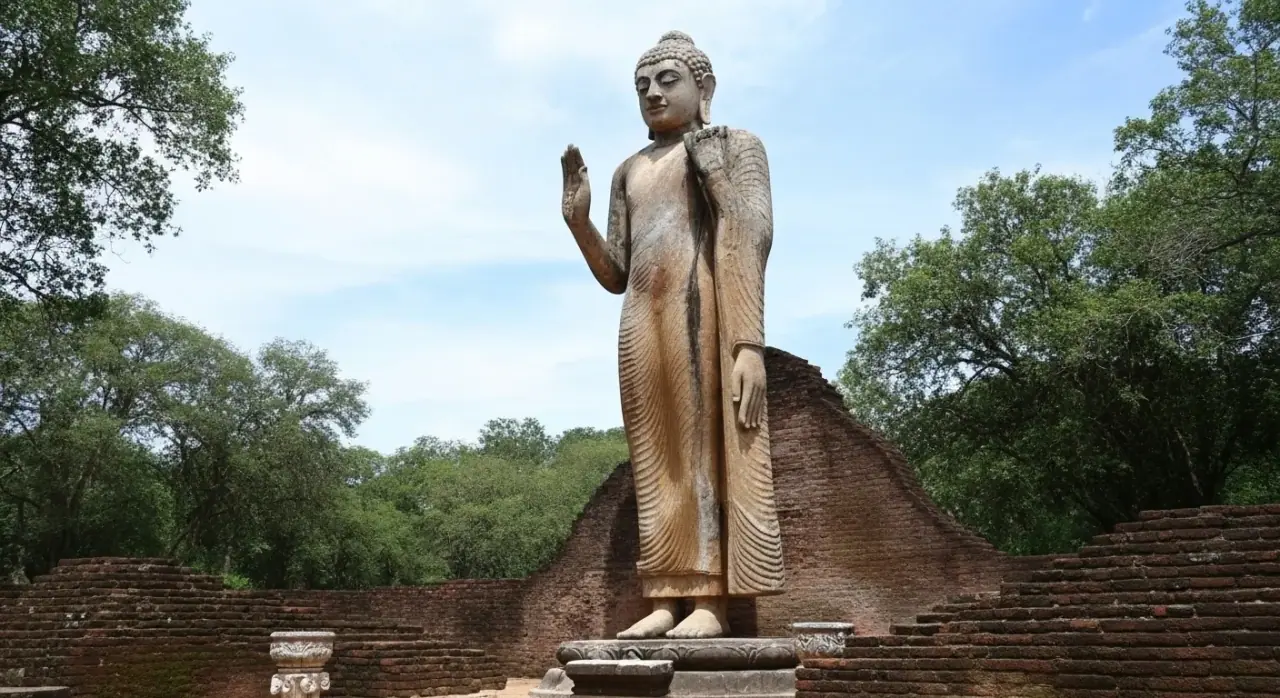
The museum’s collection is a testament to the multicultural and multi-religious fabric of northern Sri Lanka. Among its most prized possessions are rare granite statues of the Buddha discovered in archaeological sites scattered across the district, some dating back to the late Anuradhapura and early Polonnaruwa eras. These statues, known for their serene expressions and distinct northern stylistic nuances, are complemented by an equally impressive array of Hindu lithic icons. Intricately carved bronze and stone statues of Lord Shiva, Ganesha, and Skandha highlight the periods of intense cultural exchange and the patronage of local chieftains who ruled these forested hinterlands.
From Maritime Trade to Monastic Life
One of the museum’s standout sections is dedicated to the region's involvement in international maritime trade. Vavuniya was strategically positioned on the inland routes connecting the great northern ports like Matota (Mannar) with the central capitals. The display of ancient pottery and beads, some originating from as far as the Roman Empire and the Middle East, underscores the global connectivity of ancient Sri Lanka. The coin collection is particularly noteworthy, featuring rare 'Kahapana' and colonial-era currencies that narrate the economic evolution of the island over two millennia.
The museum also provides a fascinating look at the daily lives of the Janapadas—the early settlements of the dry zone. Exhibits featuring ancient agricultural tools, grinding stones, and domestic utensils evoke a vivid picture of the resilience of the early settlers who transformed the wild Vanni into a prosperous hydraulic civilization. Epigraphic enthusiasts will find the gallery of stone inscriptions particularly rewarding, as it houses copies of early Brahmi inscriptions that document the social structure and legal framework of ancient monastic life in the north.
Curated Explorations with HBS Tours
HBS Tours offers a specialized "Archaeological Deep Dive" for guests visiting the Vavuniya Museum. Our curated experience includes:
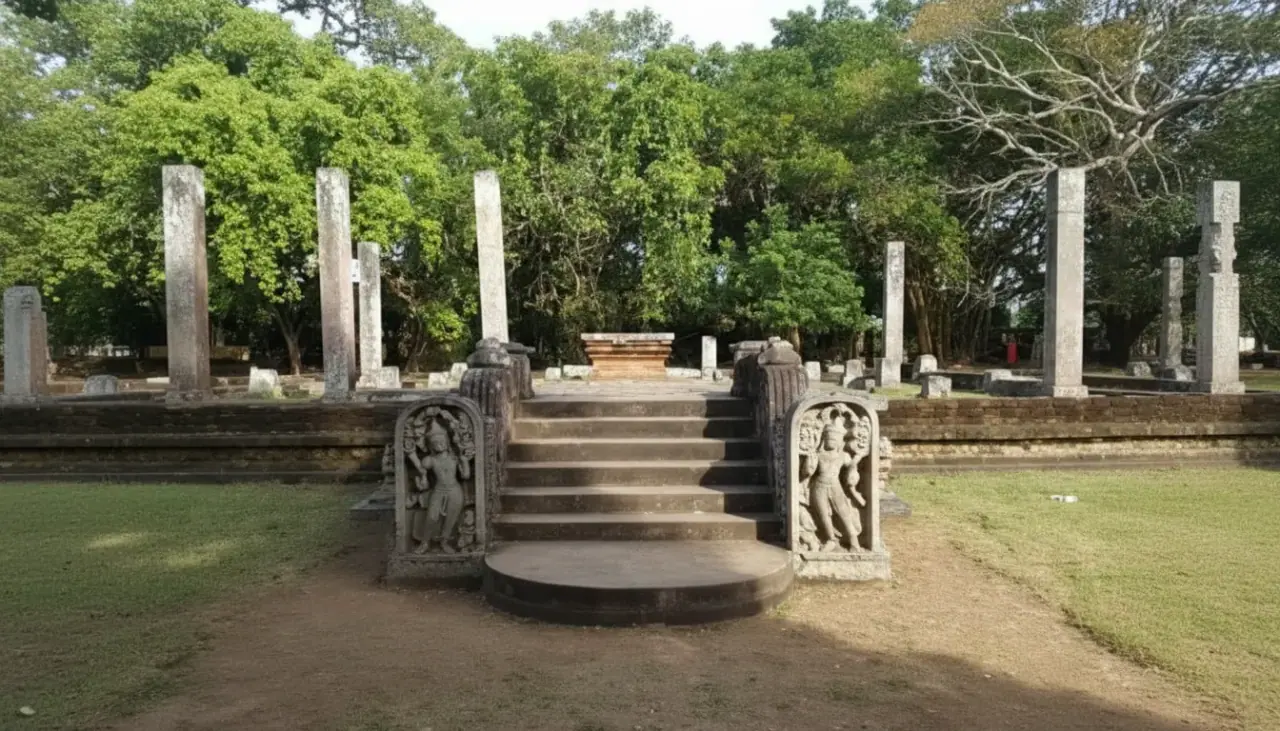
- Artifact Narrative Tour: Instead of just viewing objects, our guides tell the stories behind the major exhibits, explaining the significance of specific symbols like the 'Vamana' figures or the 'Naga' guard stones.
- The Vanni Connection: We explain how the objects in the museum relate to the nearby archaeological sites like Madukanda and Padaviya, giving you a holistic view of the region's heritage.
- Epigraphy Workshop: For enthusiasts, we can arrange for a brief session on identifying early Brahmi script characters, allowing you to "read" the ancient stones yourself.
- Cultural Context: Understand the transition from the Prakrit-speaking Buddhist era to the emergence of the Jaffna Kingdom, as reflected in the museum's later medieval artifacts.
The Vavuniya Archaeological Museum is more than a repository of the past; it is a center of understanding for the present. It invites every visitor to appreciate the shared history and the diverse traditions that have shaped the northern reaches of our beautiful island. Join HBS Tours for an enlightening journey into the heart of Sri Lankan identity.