The Quintessential Experience of Fort Frederick
Fort Frederick: A Fortress of Colonial Transitions
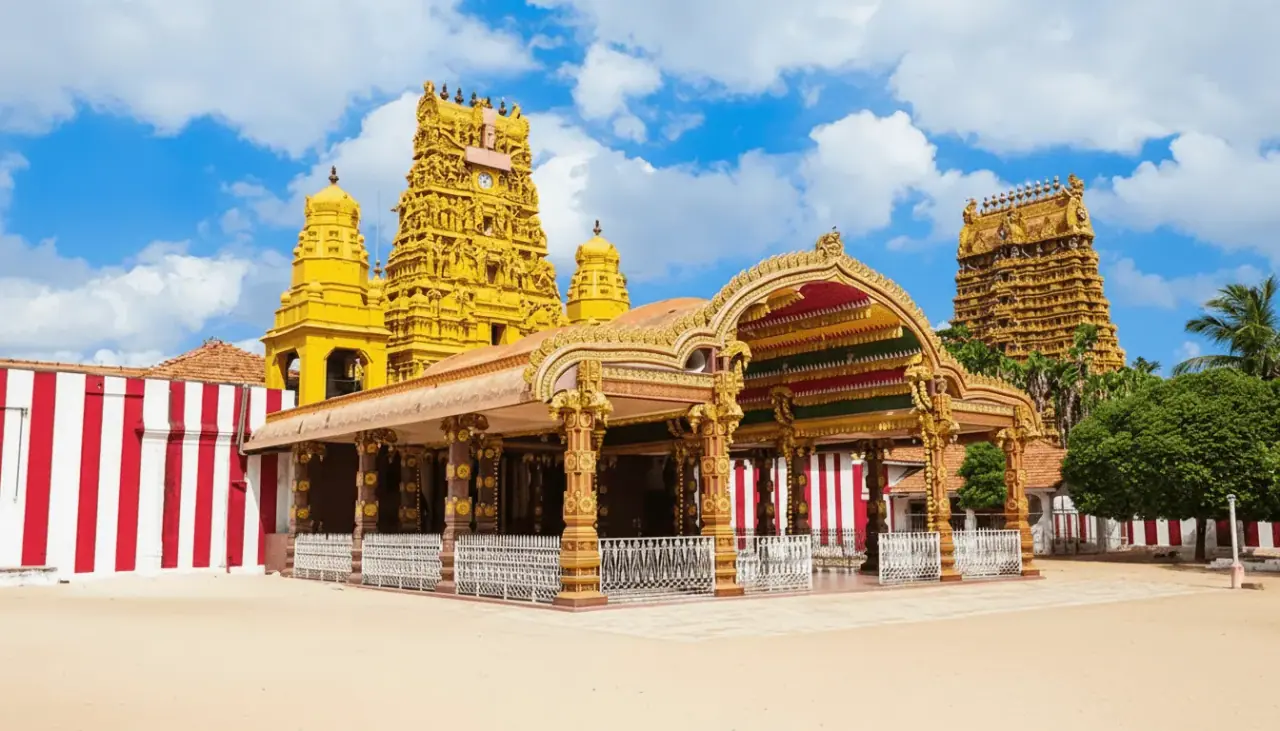
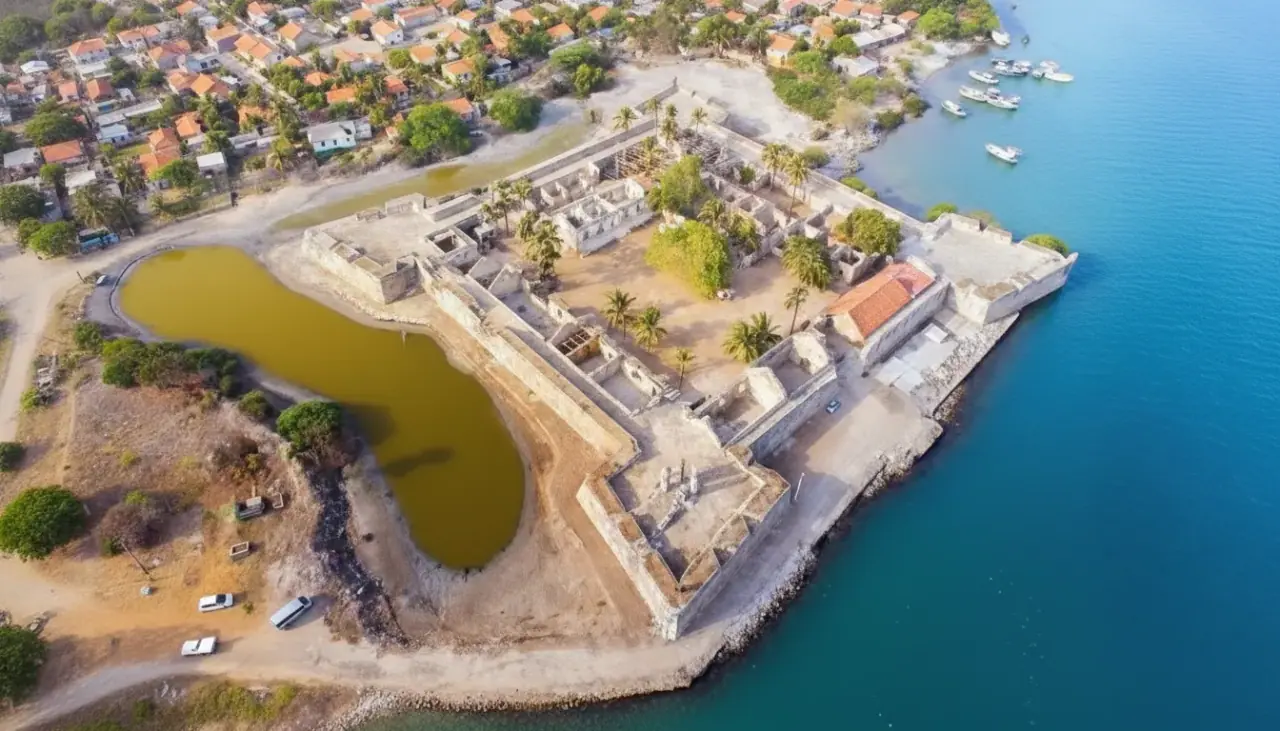
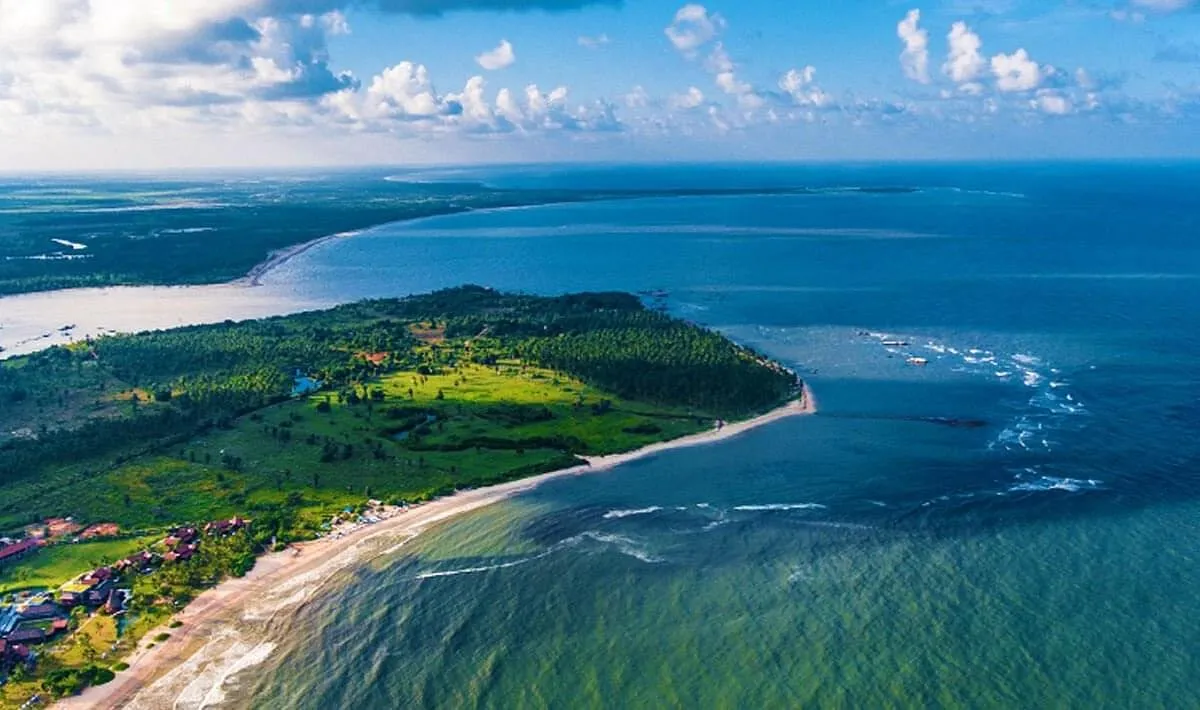
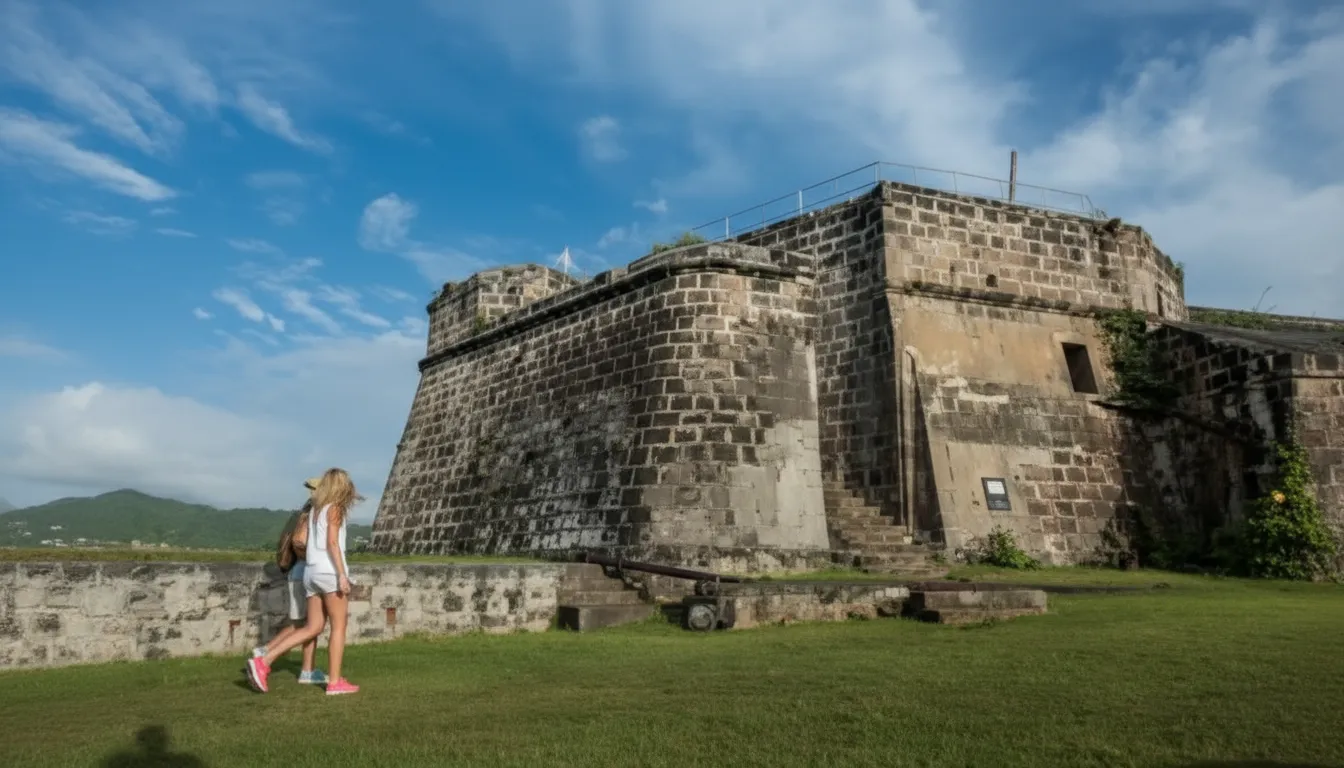
Constructed by the Portuguese in 1624, Fort Frederick stands as a silent witness to the turbulent colonial history of Sri Lanka. Built using the debris of the destroyed Koneswaram Temple, the fort's initial task was to guard the entrance to the strategic Trincomalee harbor. It was captured by the Dutch in 1639 and significantly expanded in 1665, when it was renamed 'Frederick' in honor of a Dutch Prince. Finally, the British took control in 1795, using it as a major garrison until the country's independence in 1948.
The Gentle Sentinels: Spotted Deer and Colonial Flora
One of the most charming features of the fort today is its resident population of Spotted Deer (Axis axis). These gentle creatures roam freely among the ancient banyan trees and colonial-era buildings, completely unbothered by human presence. Legally protected and considered sacred by the locals due to their association with the temple, they provide a peaceful contrast to the fort’s military history. The massive, gnarled trees that line the walk provide much-needed shade, creating an atmosphere of a tropical park rather than a fortress.
Heritage within the Walls: Wellesley Lodge and Gokana Temple
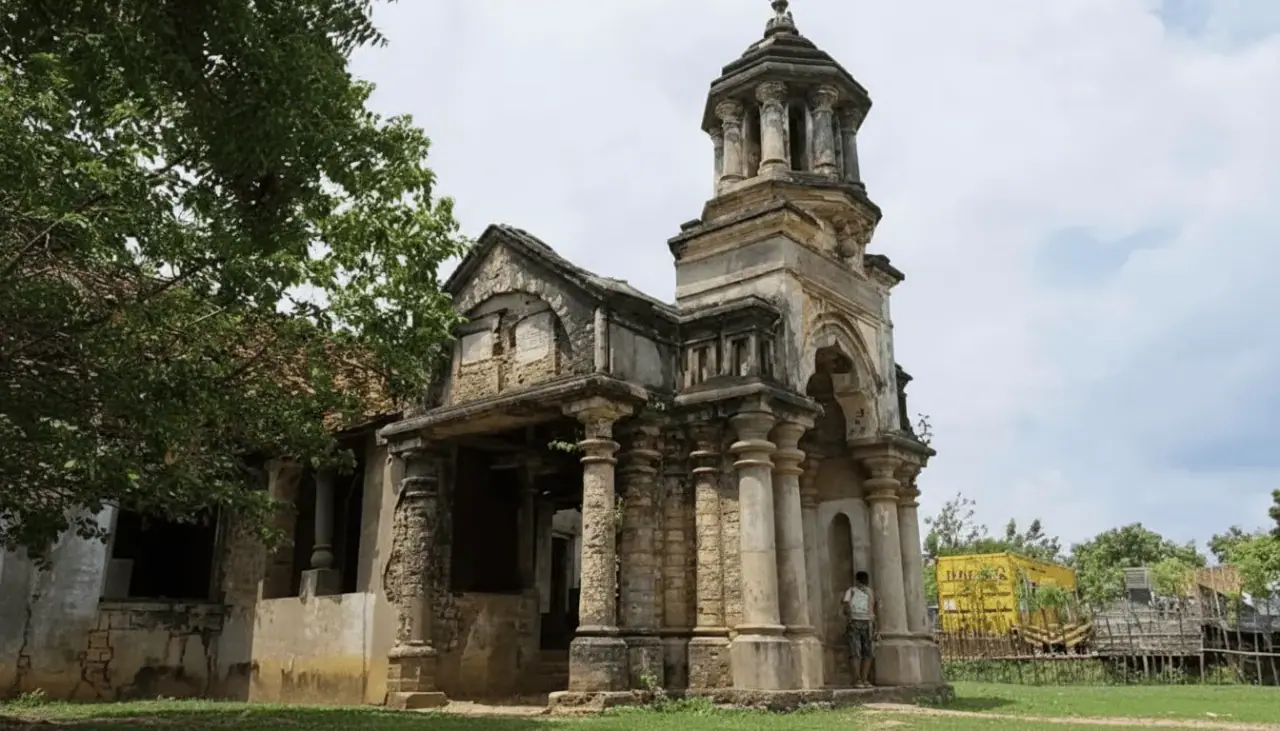
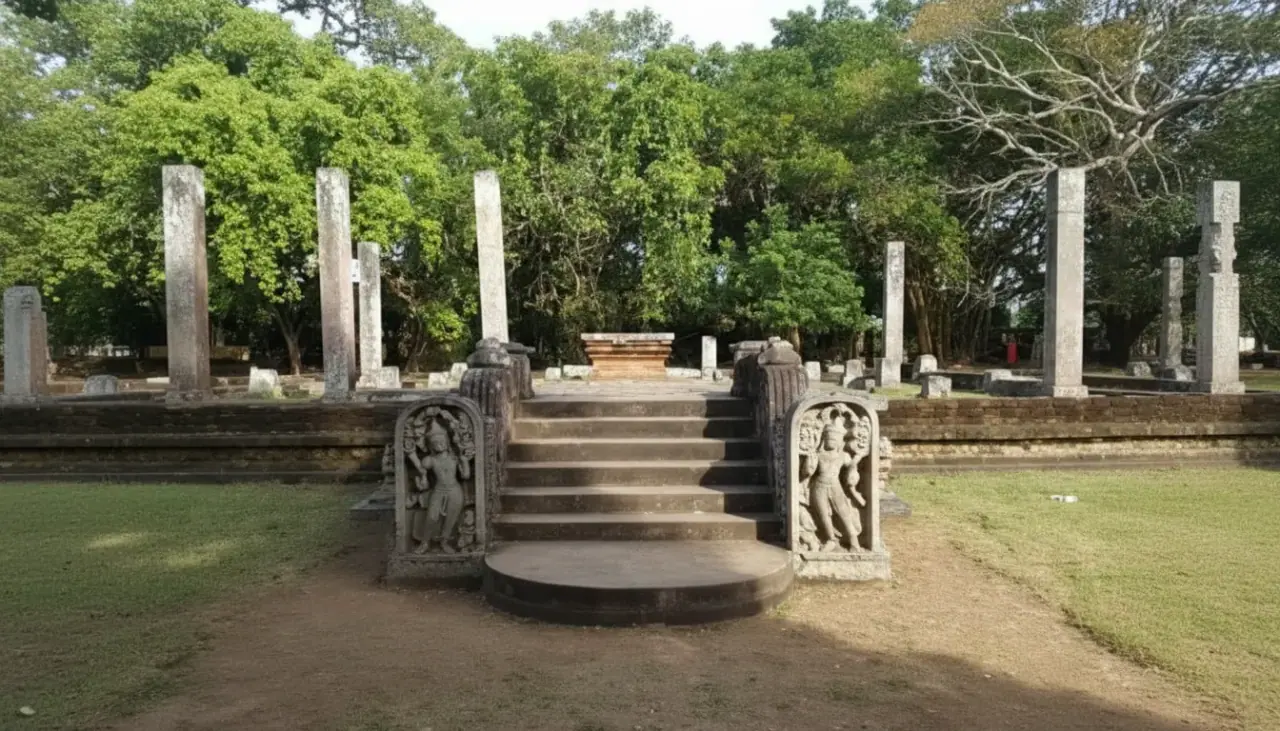
The fort is home to several significant landmarks. Wellesley Lodge, an elegant 18th-century structure, once served as the residence of the Duke of Wellington (Colonel Arthur Wellesley) before his famous campaigns in Europe. Additionally, the Gokana Vihara, a Buddhist temple located within the complex, showcases the multi-religious harmony of the region. The ramparts themselves offer stunning panoramic views of both the Back Bay and the inner harbor of Trincomalee.