The Quintessential Experience of Wilpattu National Park
Wilpattu: The Land of Natural Lakes and Ancient Legends
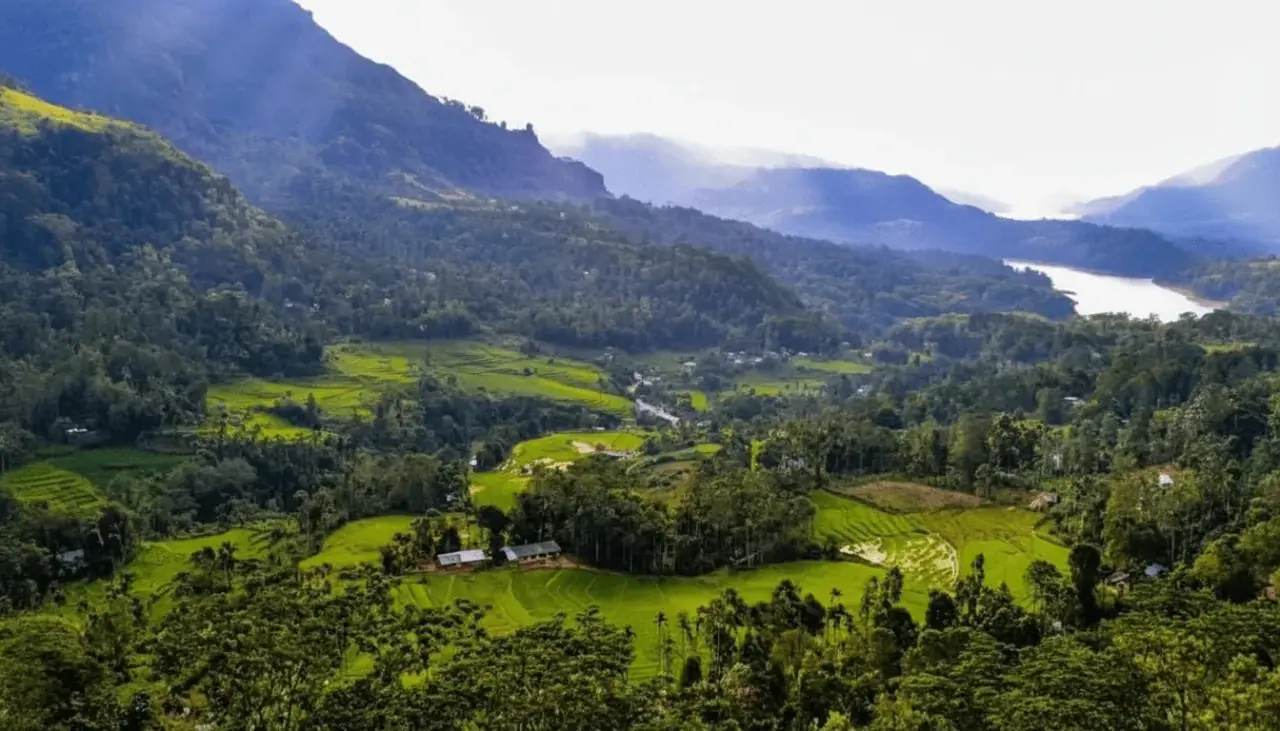
Wilpattu National Park, the largest and oldest protected area in Sri Lanka, is a wilderness of profound ecological Significance and deep historical roots. Spanning over 1,300 square kilometers, its name "Wil-pattu" literally translates to "Land of Lakes," a reference to the nearly 60 natural, sand-rimmed water basins known as **Willus** that dot the landscape. These rain-fed pools are a unique feature of this dry-zone park, supporting a complex web of life that has thrived for millennia away from the heavy influence of human habitation.
The Cradle of a Nation: Thambapanni
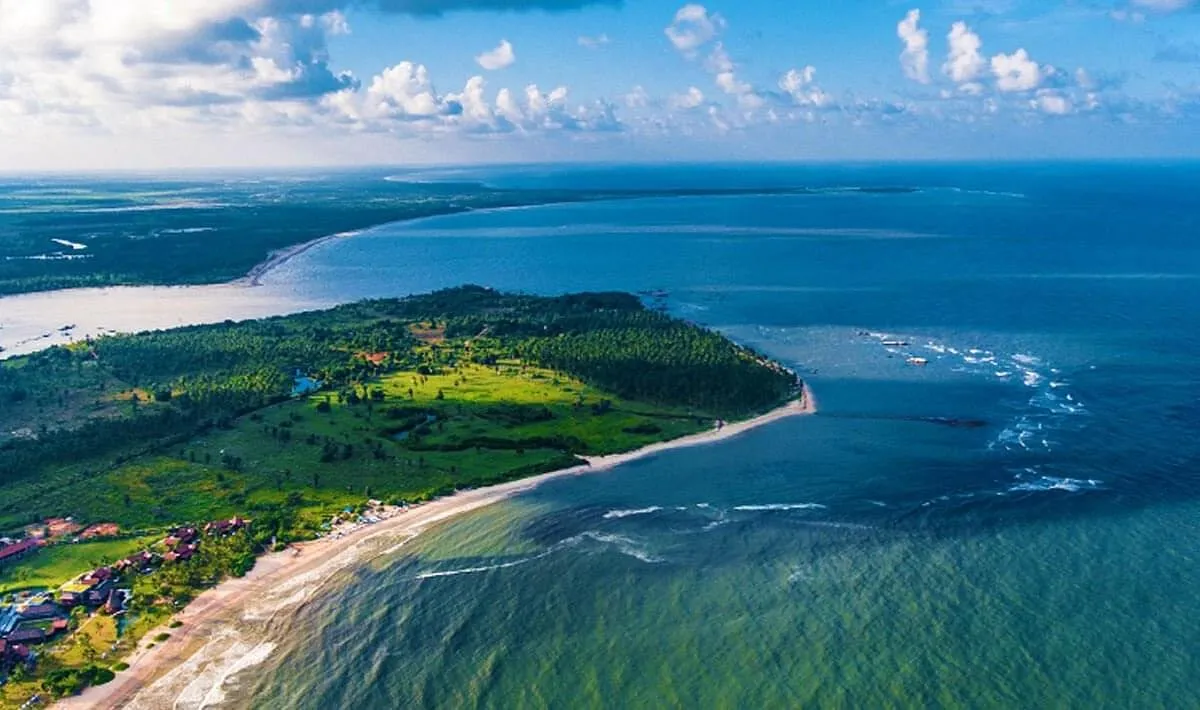
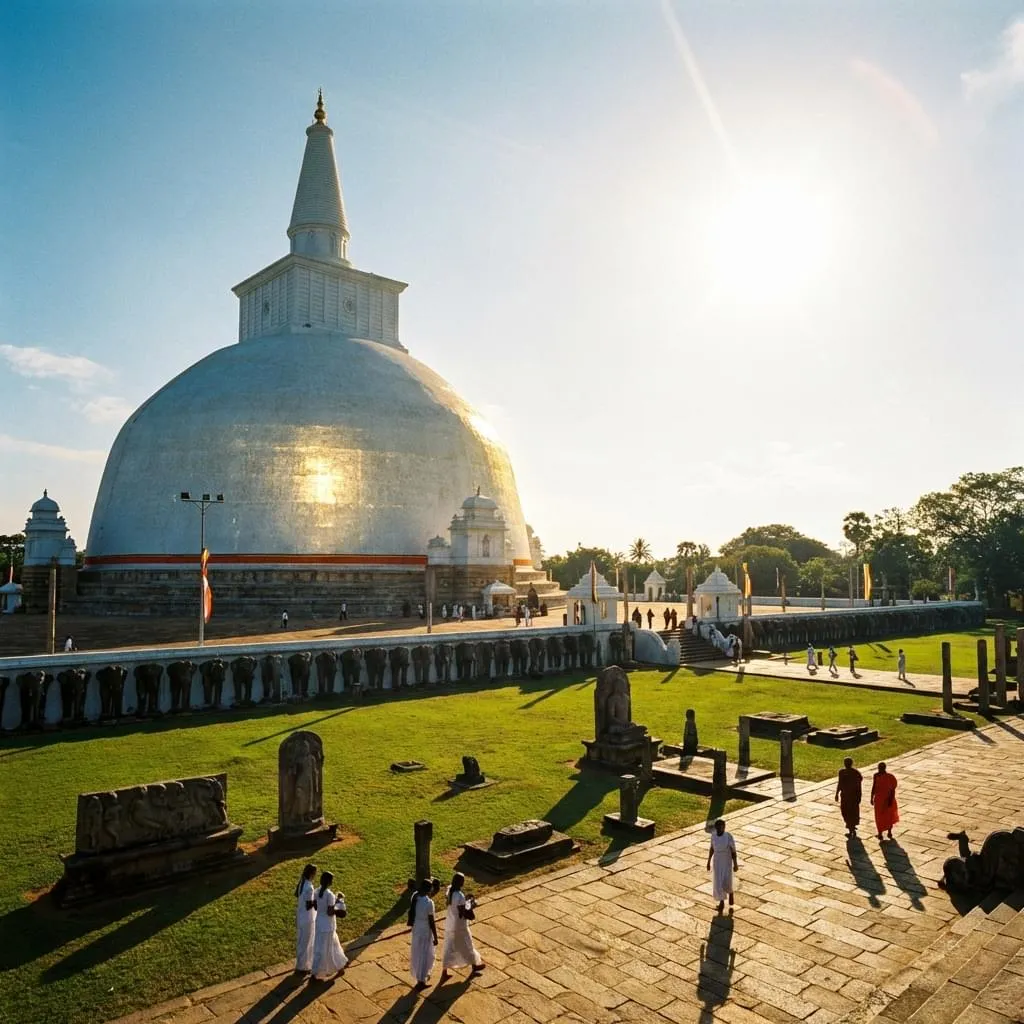
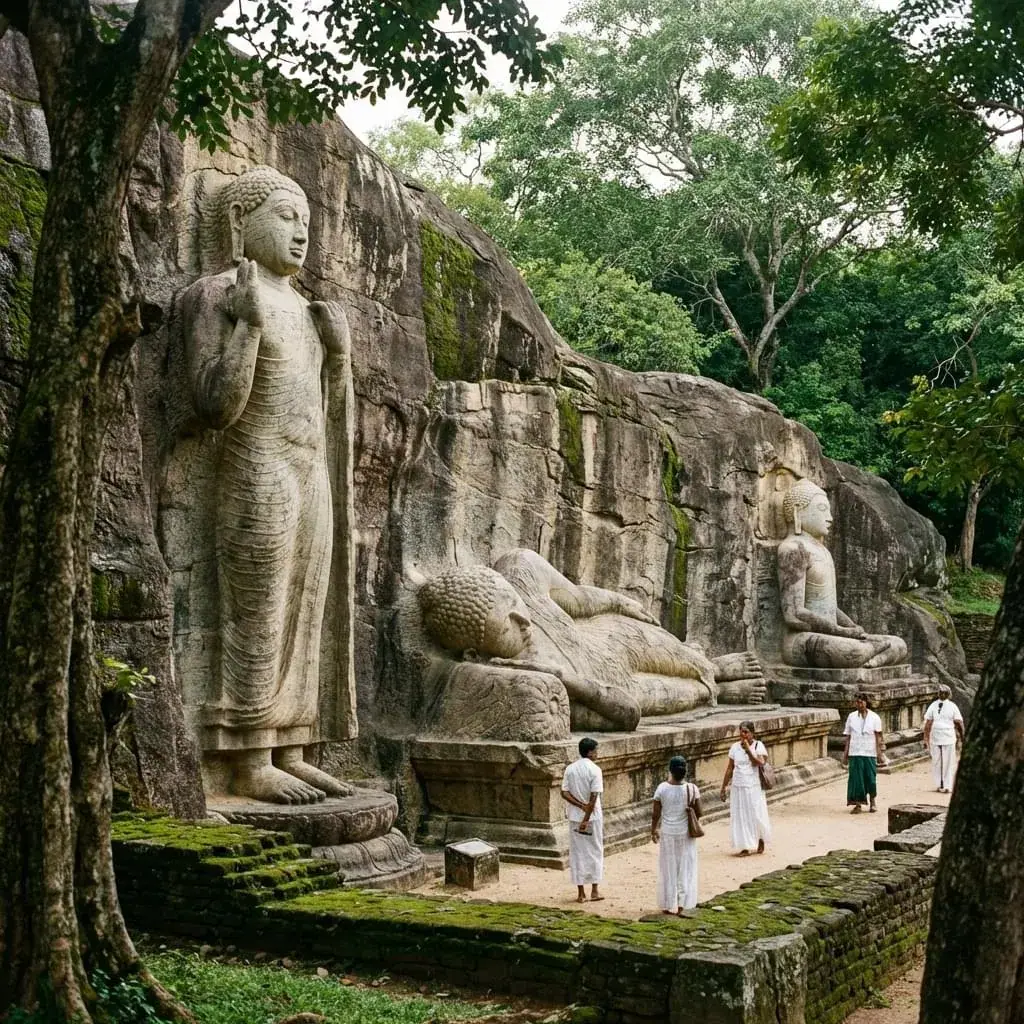
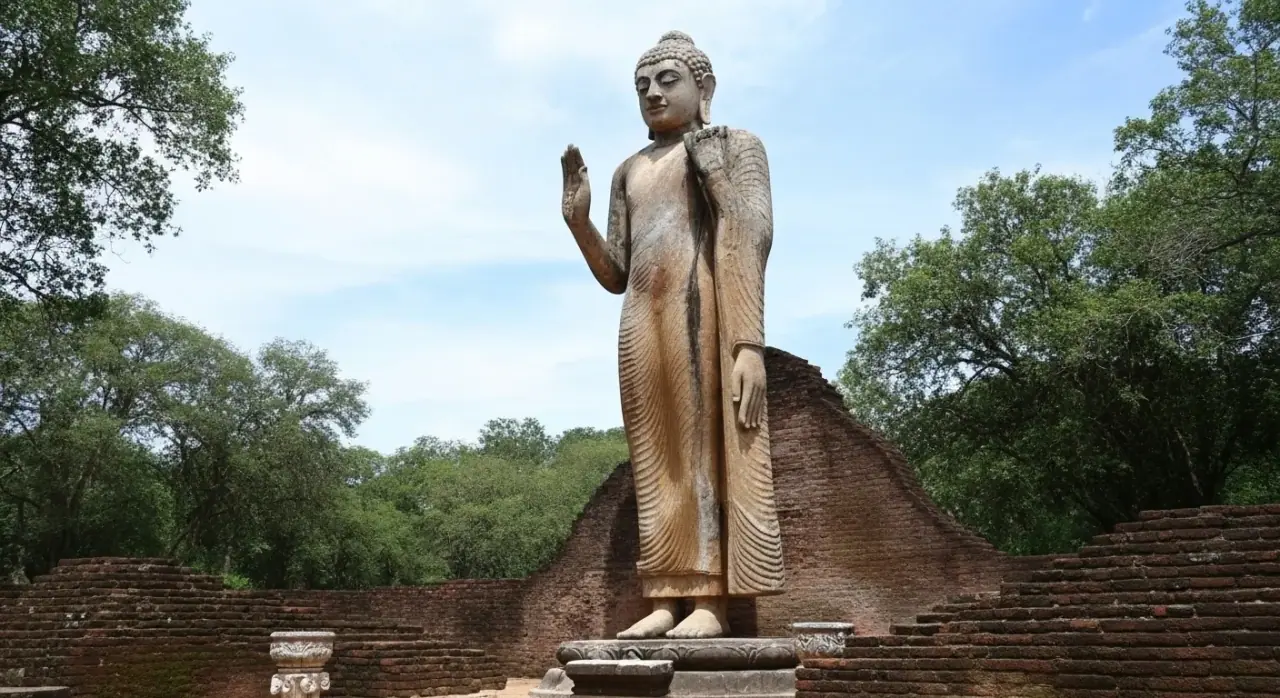
History and legend are inextricably linked with Wilpattu. Within its borders lies **Kudiramalai** (Point Horse), believed to be the site where Prince Vijaya and his followers landed in 543 BC, marking the mythical start of the Sinhala nation. The copper-colored sand dunes of the area are said to have given the region its ancient name, *Thambapanni*. Scattered throughout the park are the ruins of ancient palaces and monasteries, including the remains of Queen Kuveni’s palace, suggesting that this wild landscape was once a thriving hub of early Sri Lankan civilization.
A Sanctuary for the Big Three: Leopards, Bears, and Elephants
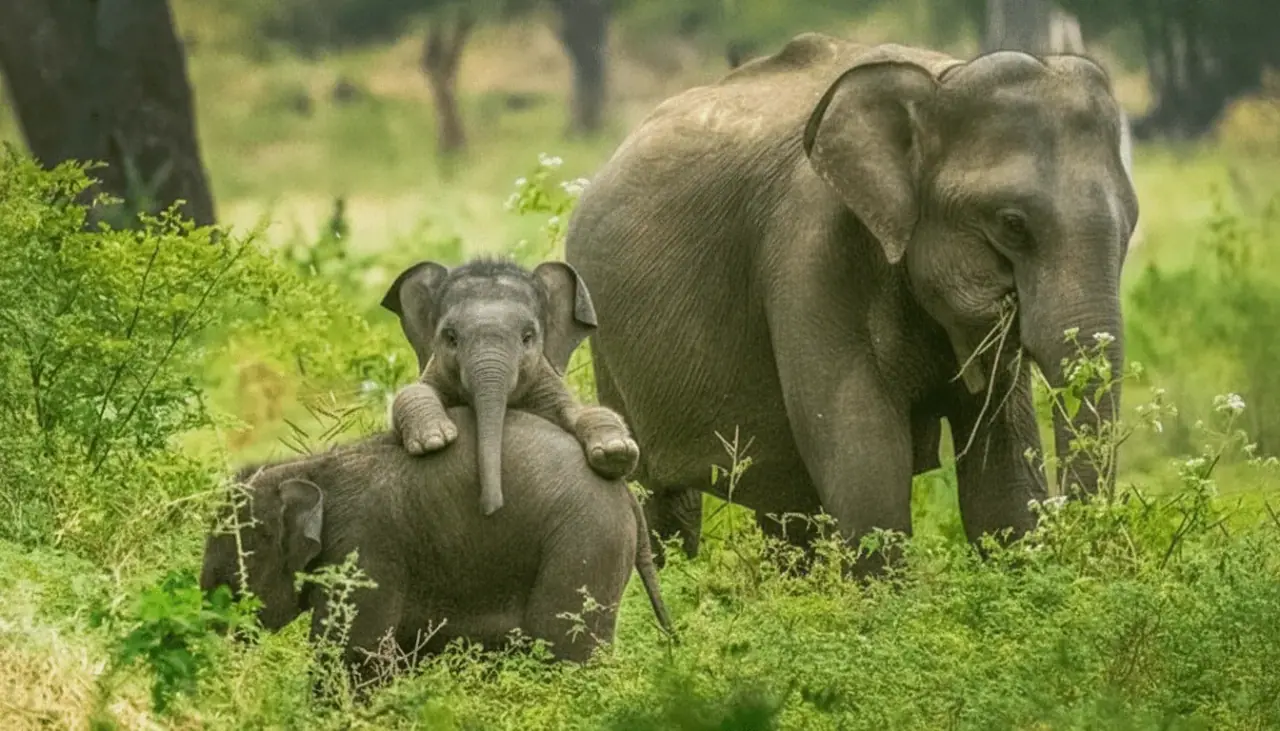
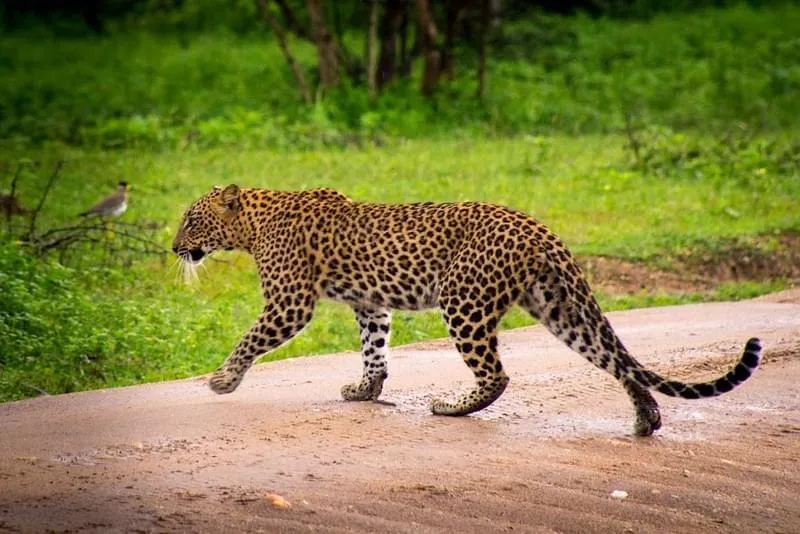
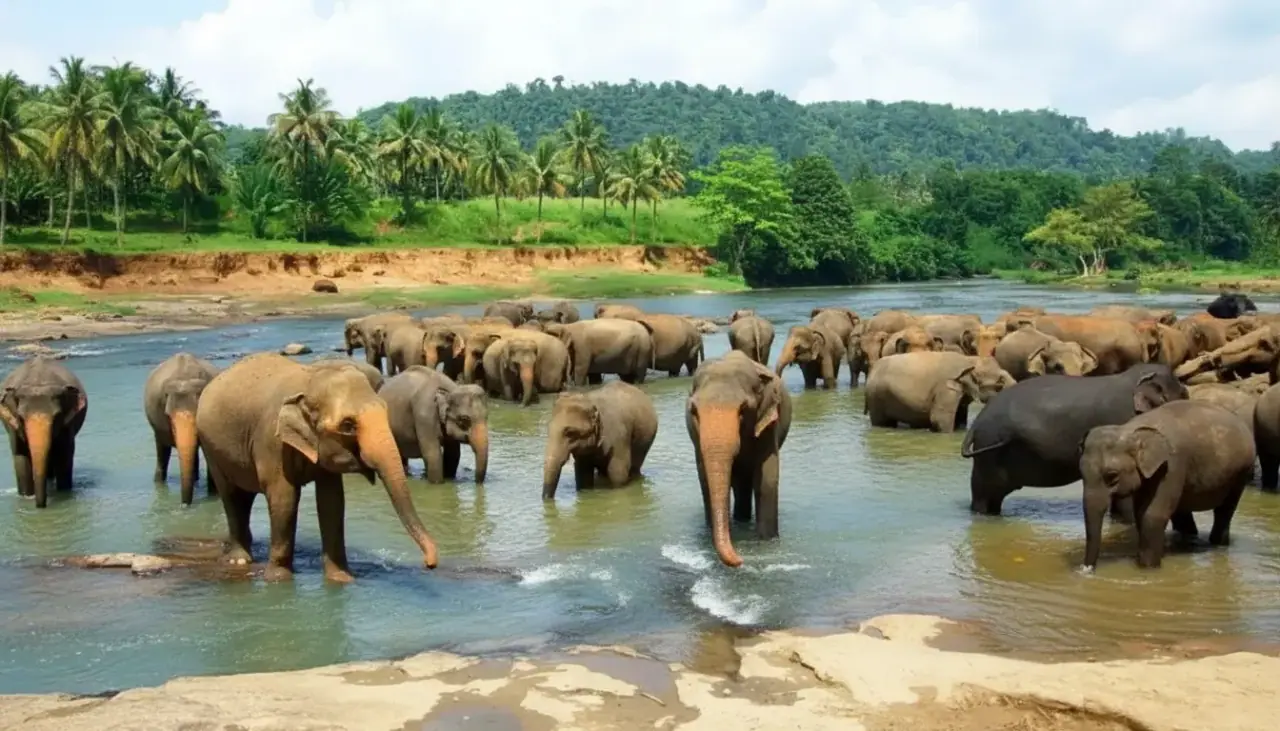
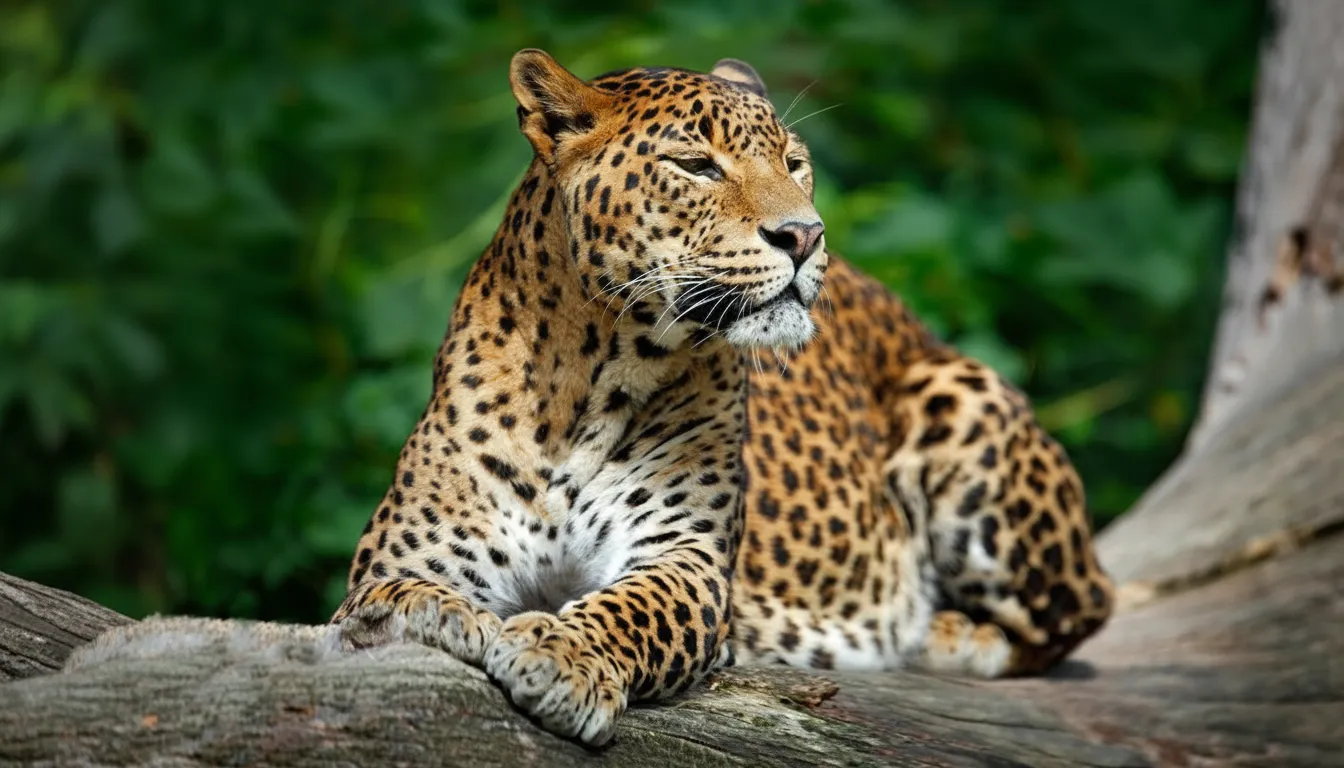
Wilpattu is world-renowned for its leopard population. Unlike many other parks, the dense scrub forest and the proximity of the willus create an environment where these elusive cats can often be seen basking in the open or crossing the sandy tracks. It is also one of the best places in Asia to spot the **Sloth Bear**, especially during the Palu fruit season in June and July. The park’s diverse habitats—ranging from coastal scrub to high forest—provide sanctuary for large herds of spotted deer, wild buffalo, and the majestic Asian elephant.
Avian Wonders and Coastal Biodiversity
For birdwatchers, the willus of Wilpattu are a paradise. During the migratory season, these water bodies are teeming with Painted Storks, Open-billed Storks, and various species of ibises and herons. The park’s western boundary meets the Indian Ocean, creating a unique coastal ecosystem where white-bellied sea eagles soar above the rugged cliffs. Whether you are on a half-day safari or a multi-day camping expedition with **HBS Tours**, the sheer vastness and silence of Wilpattu provide an immersive wilderness experience that is increasingly rare in the modern world.