The Quintessential Experience of Bibile Walauwa
Bibile Walauwa: A Legacy of the Uva Highlands
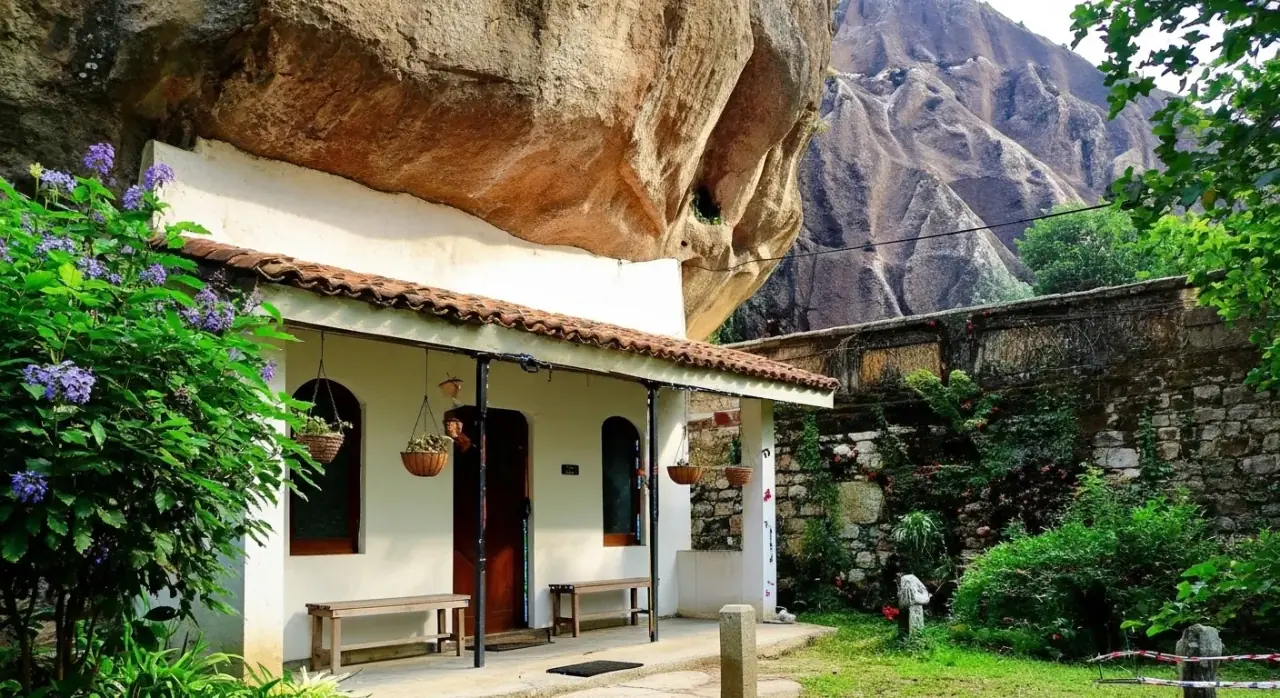
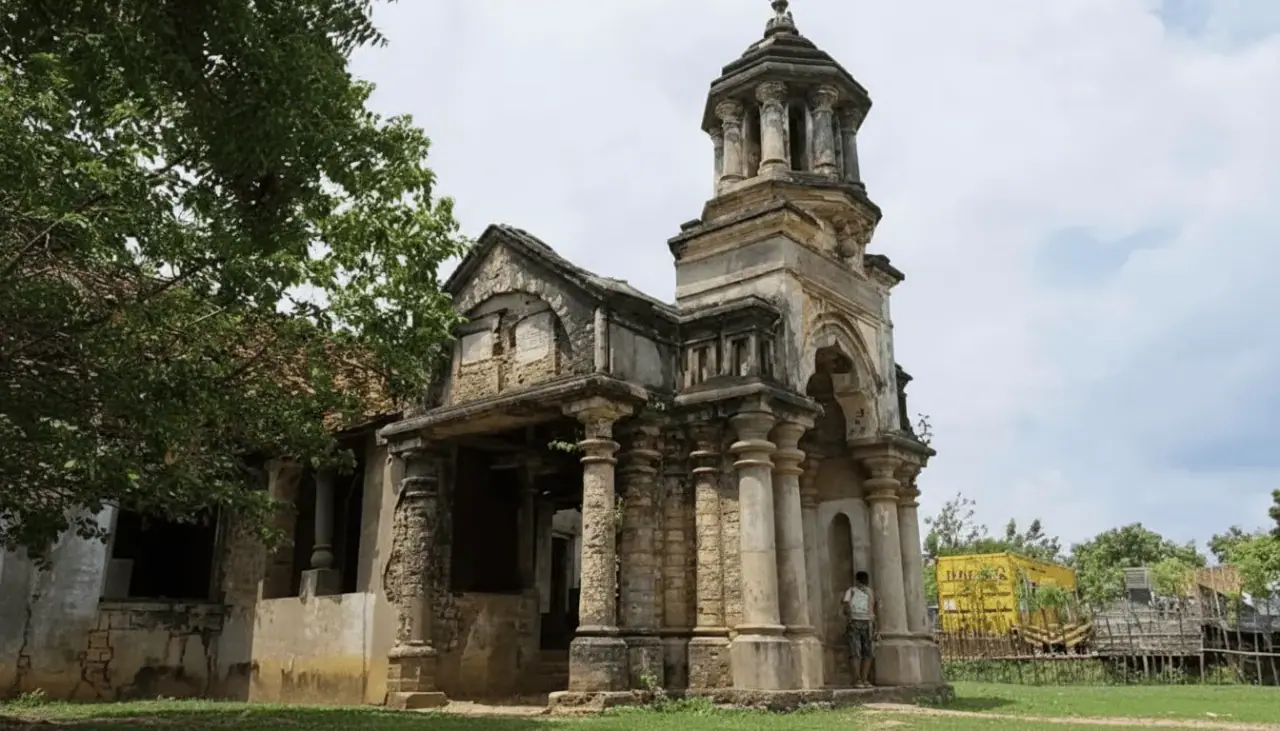
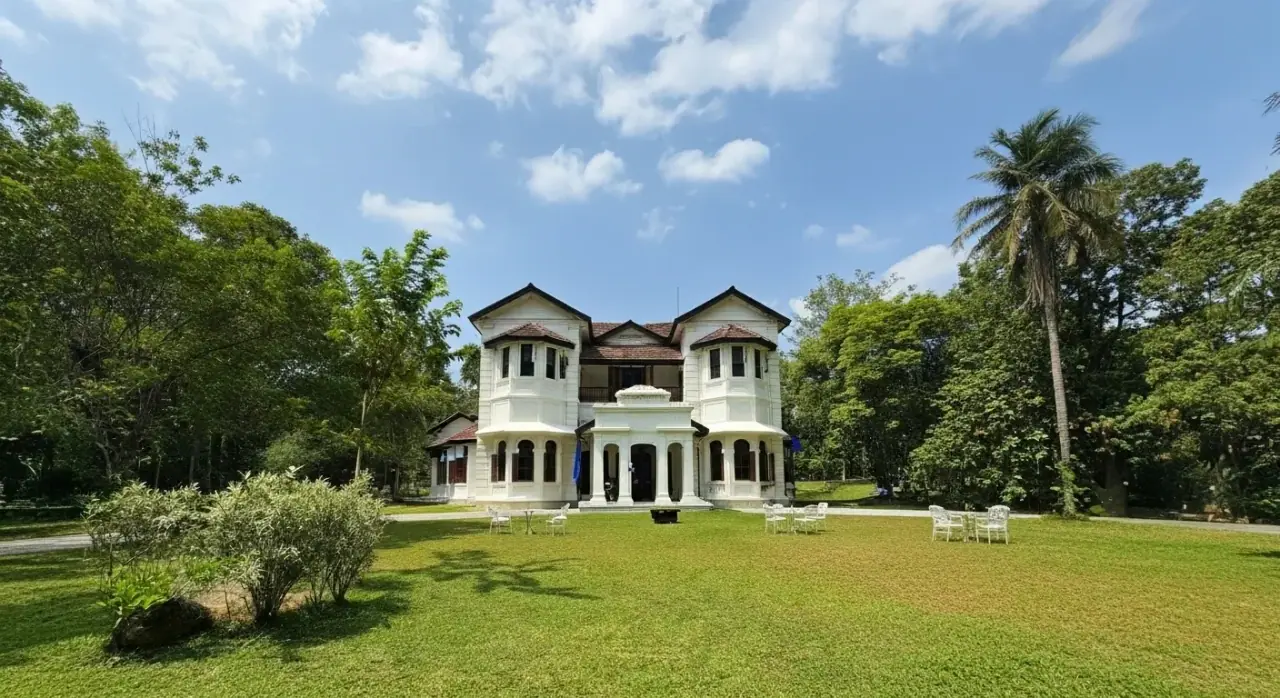
The **Bibile Walauwa** is an iconic symbol of the aristocratic heritage of the Uva province. This ancestral manor house (Walauwa) has stood for generations as a testament to the influence and social standing of the Bibile family. Its architecture is a beautiful mix of traditional Sinhalese design and European influences brought during the colonial era. The thick walls, heavy wooden doors, and internal courtyards reflect a bygone era of regional governance and hospitality.
The Pride of the Uva Rebellion
The history of Bibile and its prominent families is deeply linked to the 1818 Uva Rebellion against the British. The region was a hotbed of resistance, and houses like the Bibile Walauwa served as centers of community influence. Visiting this site offers a unique perspective on the domestic life of the elite during a time of immense political change in Sri Lanka. It’s also famous for being in the heart of the "Orange country," surrounded by lush citrus groves.
Heritage Discovery with HBS Tours
At **HBS Tours**, we strive to show you more than just the monuments; we show you the living history of the people. Our visits to the Bibile area often include a walk near the Walauwa to appreciate its architectural scale. We share stories of the Uva leaders who once walked these halls. Since this is often private property, we provide guided insights from the outside and, where possible, organize meetings with local historians who can explain the building's internal layout and family trees.
Visitor Activities
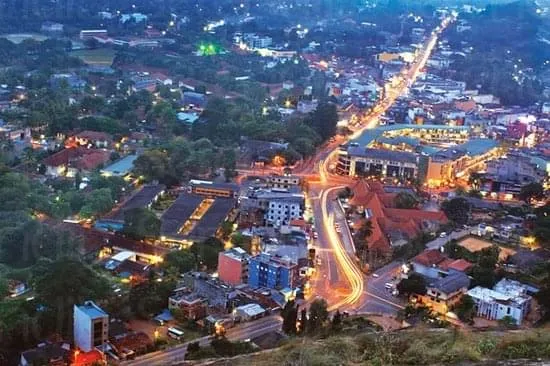
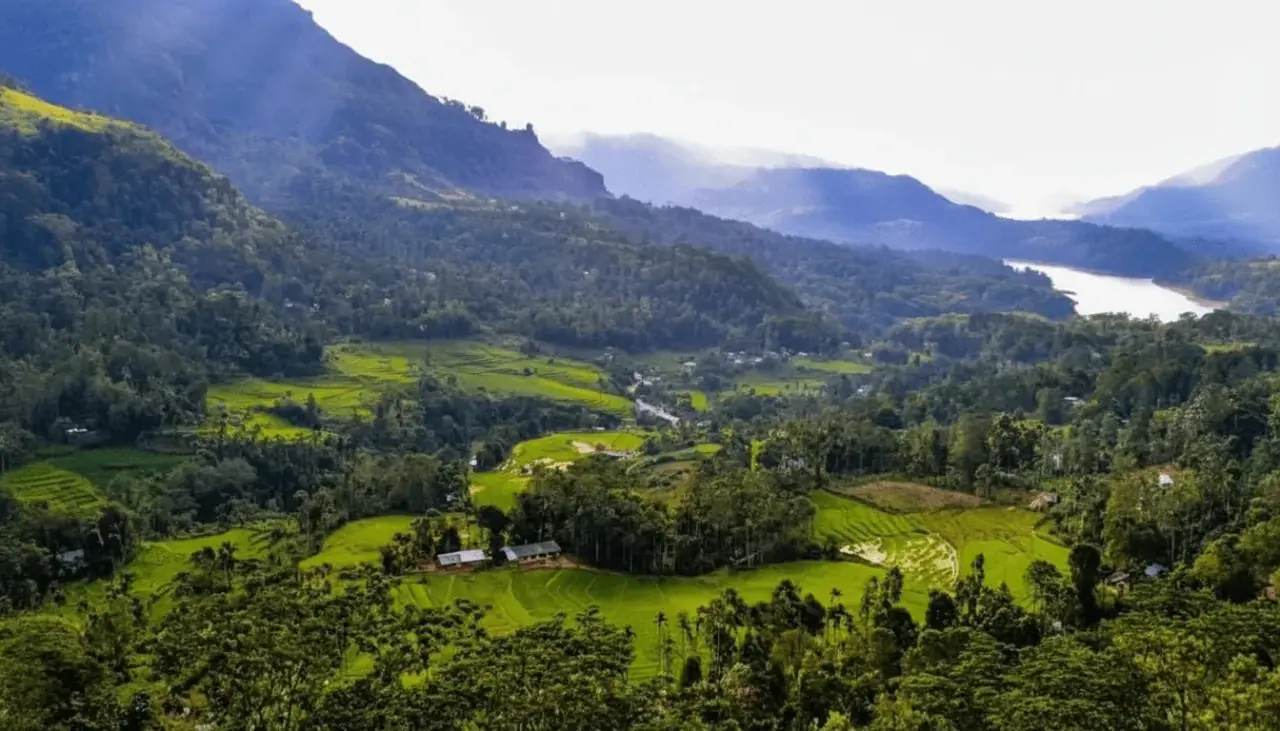
Visitors can enjoy the scenic drive to Bibile, which is famous for its sweet oranges. We recommend stopping at local stalls to taste the fresh citrus. A walking tour around the village centers gives you a glimpse of more traditional highland houses. This is a great stop for those interested in sociology, architecture, and the colonial history of the interior provinces. The atmosphere in Bibile is noticeably different—quieter and more traditional than the tourist hubs.