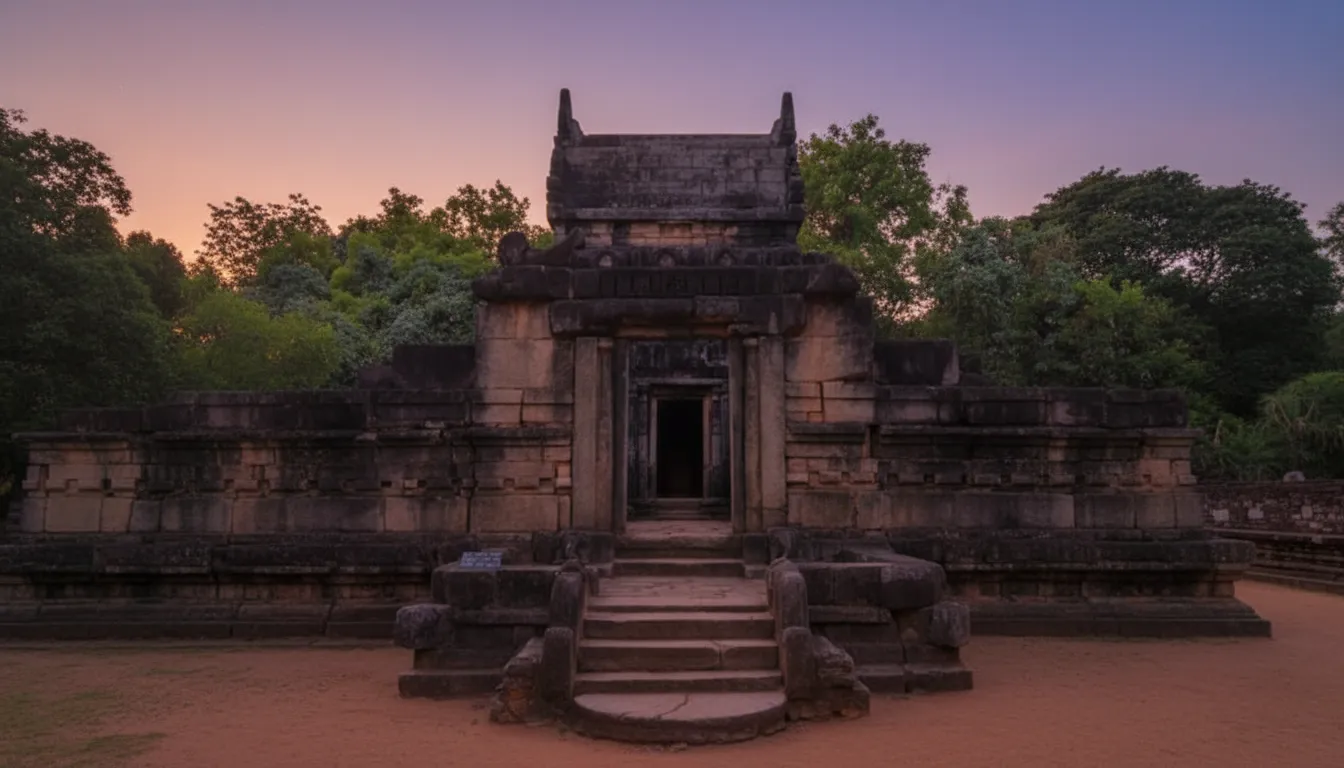
The Quintessential Experience of Nalanda Gedige
Nalanda Gedige: The Geographical Heart and Cultural Bridge
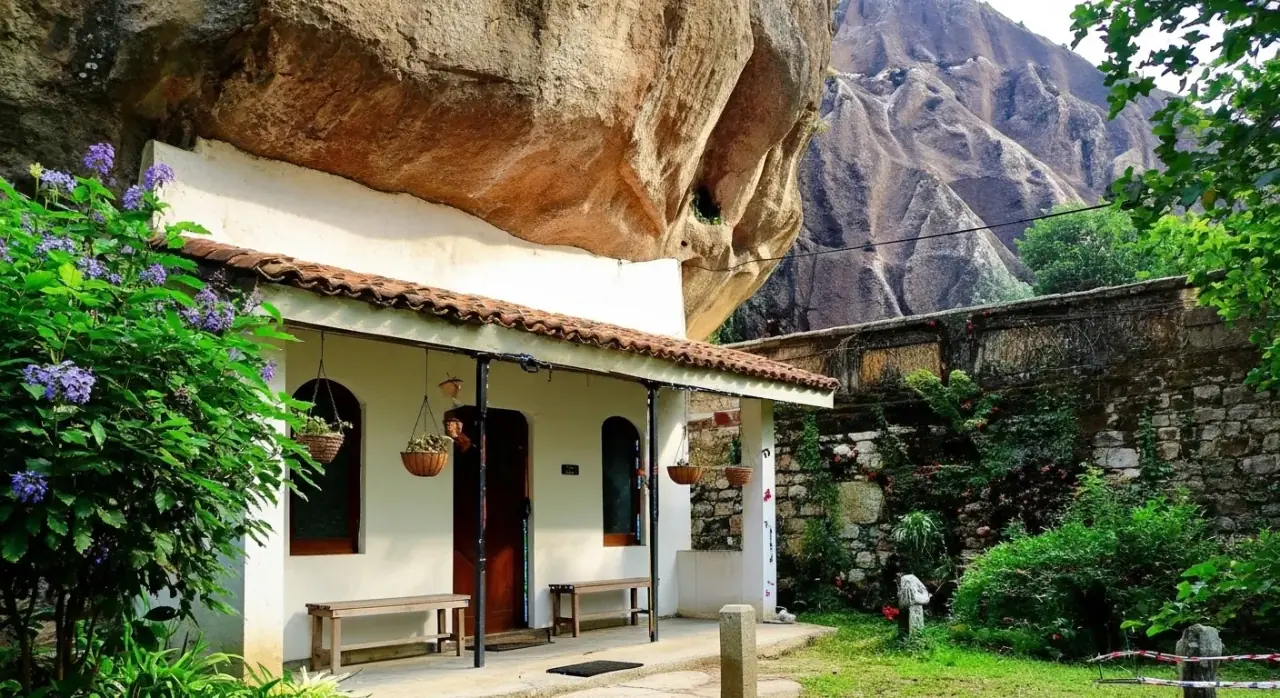
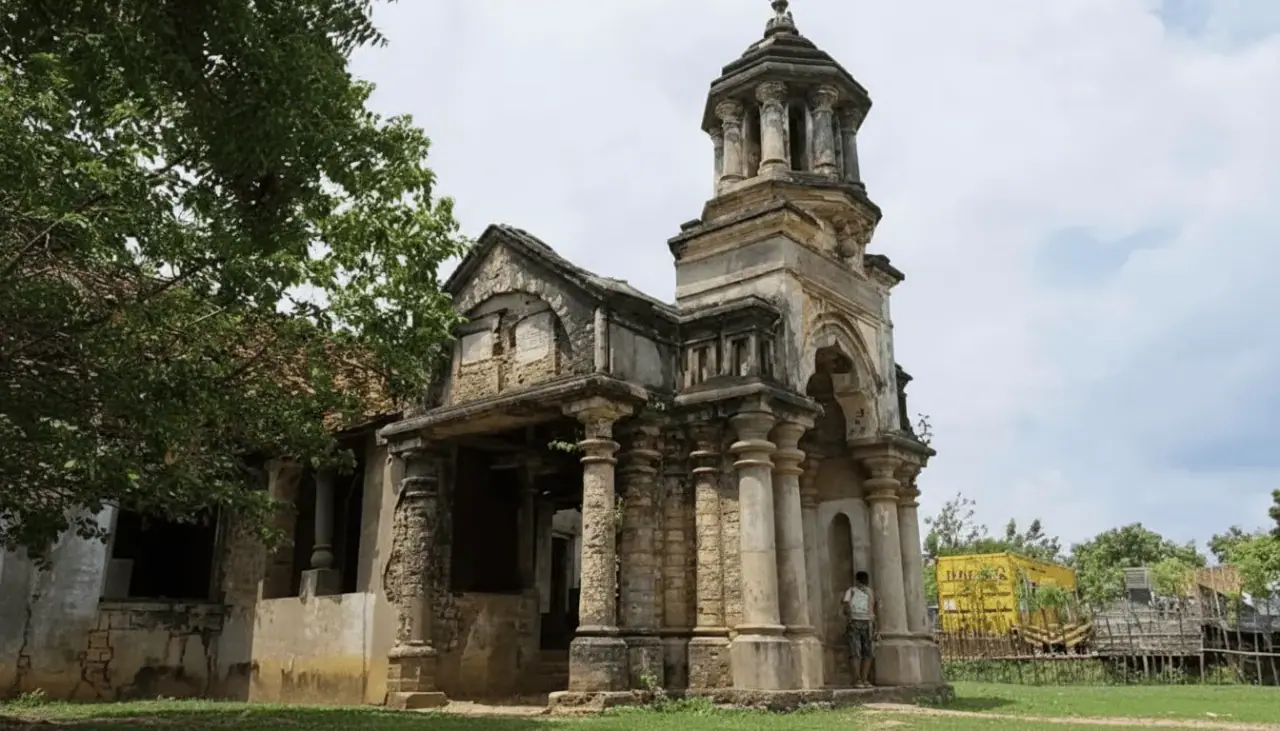
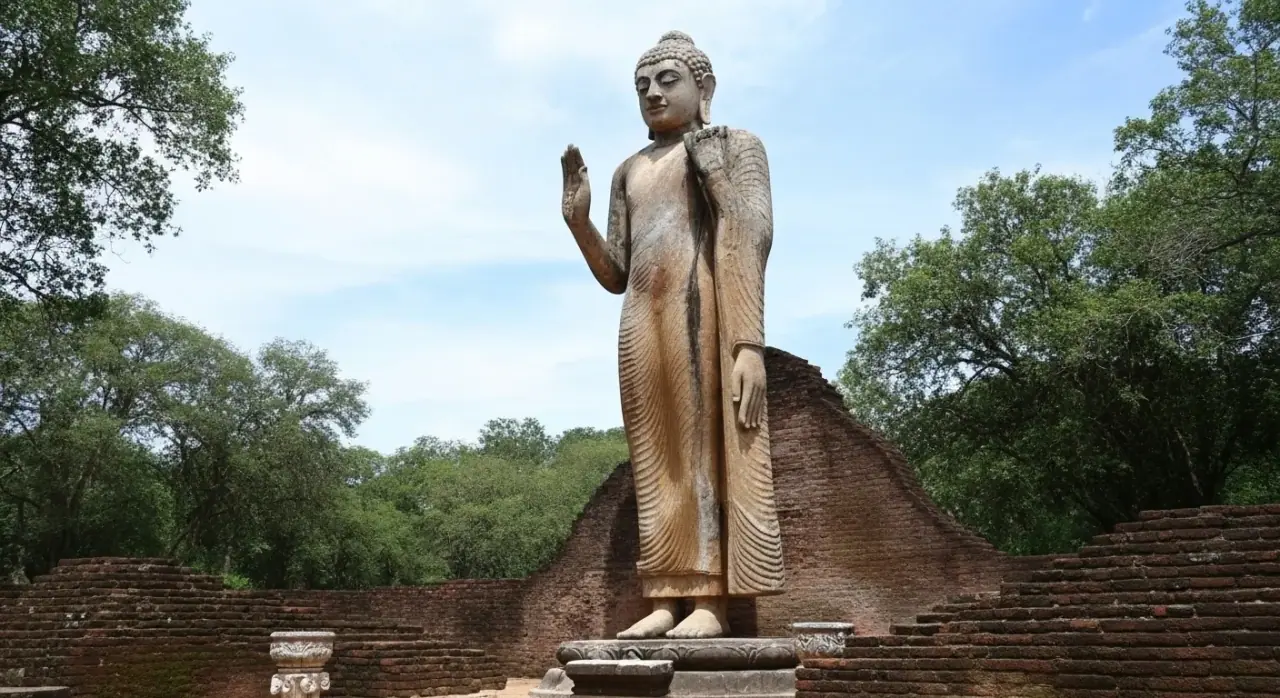
Enclosed by the tranquil waters of the Bowatenna Reservoir, Nalanda Gedige is an architectural anomaly that challenges traditional historical narratives. Dating back to between the 8th and 10th centuries CE, this site is widely recognized as the geographical center of Sri Lanka. Built entirely of granite, it stands as a silent sentinel to a period of intense cultural transition. Unlike any other structure in the Cultural Triangle, Nalanda Gedige represents a daring fusion of Buddhist and Hindu architectural styles, making it a unique symbol of religious harmony and syncretism.
The Pallava Connection
The architecture of the Gedige is heavily influenced by the Pallava style of South India, specifically echoing the designs found in Mahabalipuram. This Dravidian influence is evident in its tiered roof and the intricate relief carvings that decorate its facade. Yet, inside its sanctum, it once housed Buddhist images, including a 9th-century inscription that confirms its use as a monastery. This hybridity is further emphasized by the presence of both Buddhist Tantric carvings and Hindu-inspired decorative motifs, creating a structure that feels simultaneously familiar and exotic.
Rescued from the Depths: The Bowatenna Relocation
The very existence of Nalanda Gedige today is a miracle of modern archaeology. In the 1970s, the construction of the massive Bowatenna Reservoir threatened to permanently submerge the temple. In an extraordinary feat of conservation, the entire structure was meticulously dismantled, stone by stone. Each of the thousands of blocks was numbered and later reassembled on an artificially raised island—at the exact same geographical coordinates as its original foundation. This ensures that while the surrounding landscape has transformed into a scenic lake, the temple remains anchored to the island's center.
A Sanctuary of Serenity
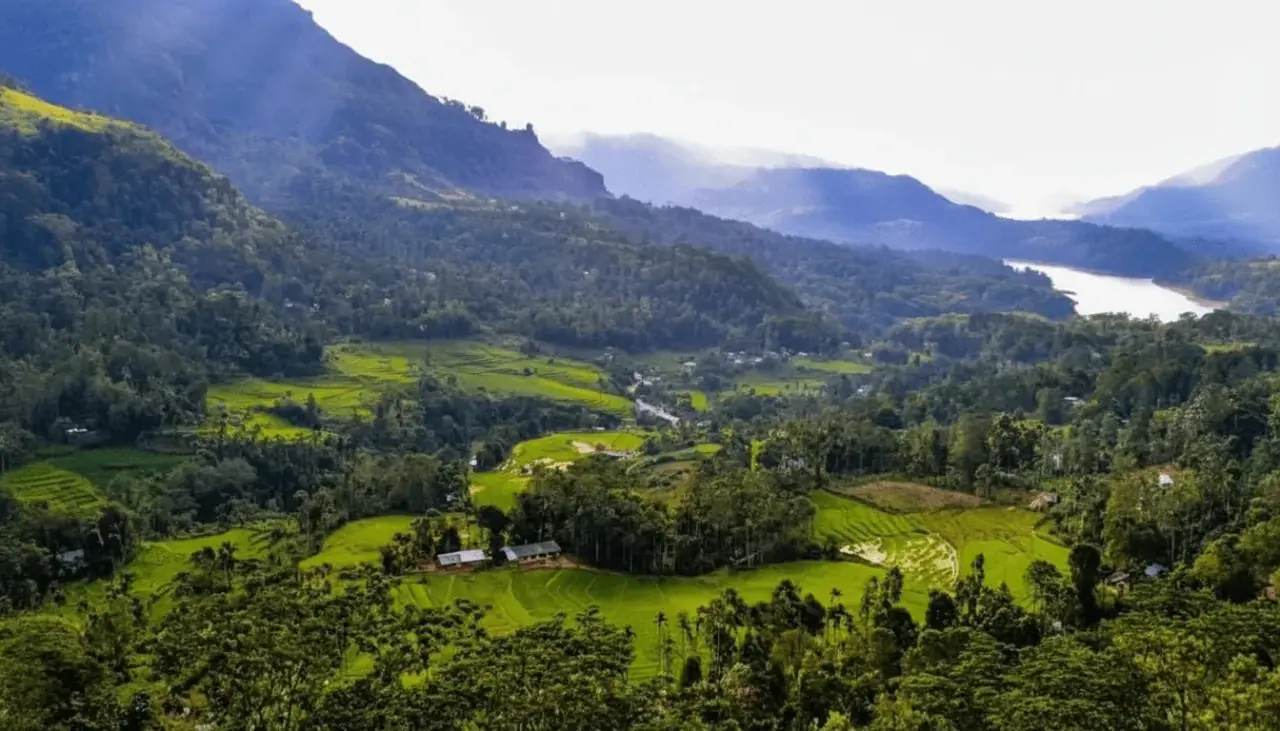
Because it is located slightly off the main Matale-Dambulla tourist corridor, Nalanda Gedige retains a peaceful, contemplative atmosphere that is hard to find at larger sites. The walk across the causeway to the temple island, with the shimmer of the reservoir on either side and the backdrop of the Matale hills, provides a sense of isolation and spiritual gravity that resonates with the temple's ancient monastic roots.
Balanced Narratives with HBS Tours
We provide a curated perspective on this cross-cultural masterpiece:
- Architectural Comparative Tours: Our guides specialized in Art History will walk you through the specific Dravidian (Pallava) and Sinhalese (Anuradhapura) elements, explaining the historical context of this unique fusion.
- Reservoir Leisure Walks: We arrange for a slow exploration of the surrounding causeway and the artificial island, allowing for bird watching and panoramic photography of the Bowatenna waters.
- 'The Central Point' Experience: We integrate a visit to Nalanda Gedige as a symbolic 'center point' of your Sri Lankan journey, providing a historical bridge between the temples of Kandy and the ruins of the North.
Travel Logistics: Essential Information
Nalanda Gedige is located approximately 20 km north of Matale town. It is a 45-minute drive from Dambulla. Entry is currently free, though donations to the local archaeological fund are appreciated. Pro Tip: Visit during the 'Golden Hour' in the late afternoon; the low sun highlights the intricate texture of the granite carvings and reflects beautifully off the surrounding reservoir. Wear comfortable walking shoes for the causeway. HBS chauffeur services ensure a private, comfortable detour to this hidden gem, complete with local insights and refreshments.