The Quintessential Experience of Aluvihara Rock Temple
Aluvihara: The Cradle of the Written Word
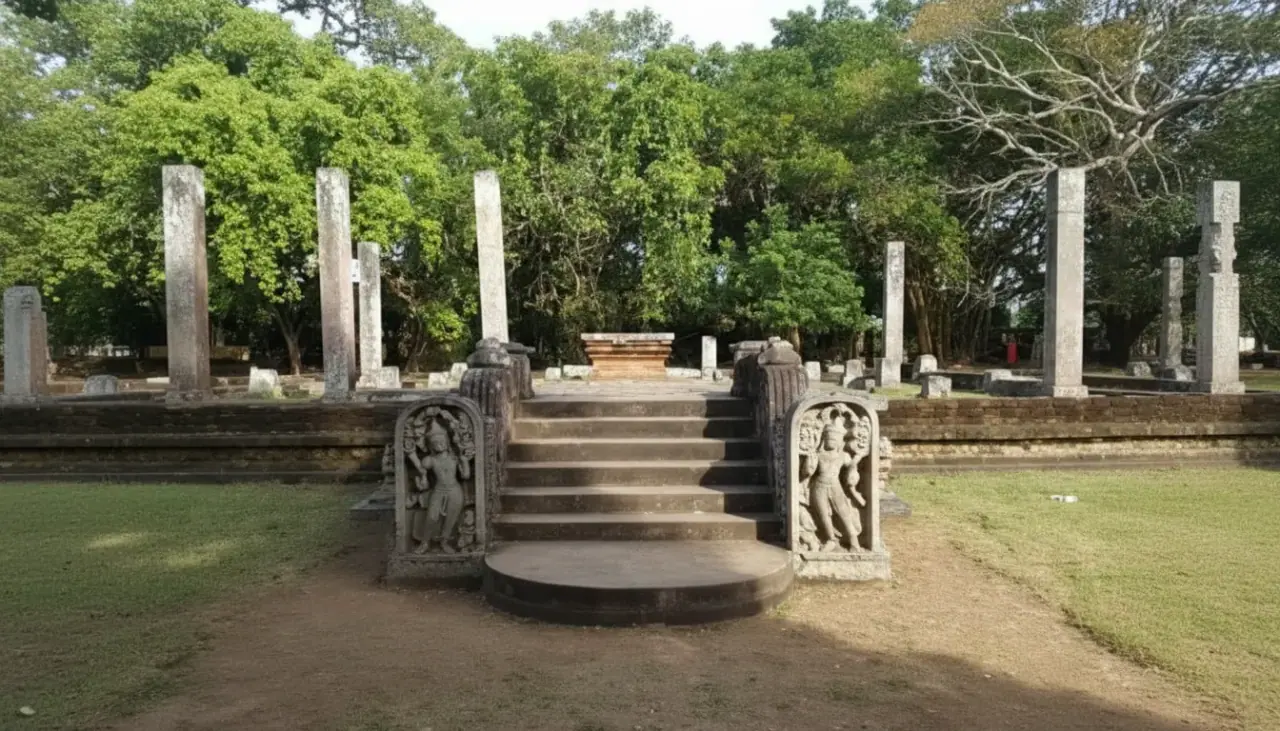
Nestled just 30 km north of Kandy, the Aluvihara Rock Temple (Matale Alu Viharaya) holds a unique and profound place in the history of world civilization. While Sri Lanka is a land of many sacred sites, Aluvihara is legendary as the birthplace of the written Buddhist tradition. It was here, in the 1st century BCE during the reign of King Valagamba, that a council of 500 scholarly monks undertook the monumental task of committing the Pali Canon (Tipitaka) to palm leaves for the very first time. Before this defining moment, the Buddha's teachings were transmitted entirely through oral tradition, making Aluvihara the sanctuary where the Dhamma was permanently anchored for future generations.
Caves of Light and Meditative Wisdom
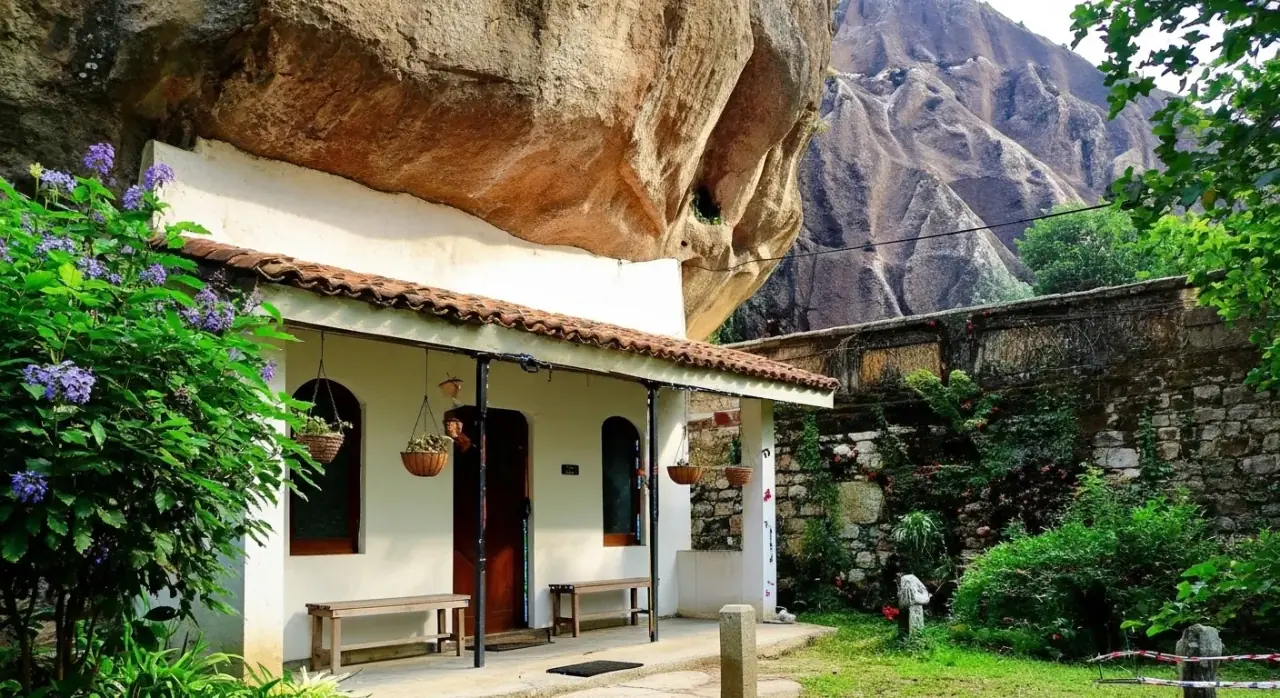
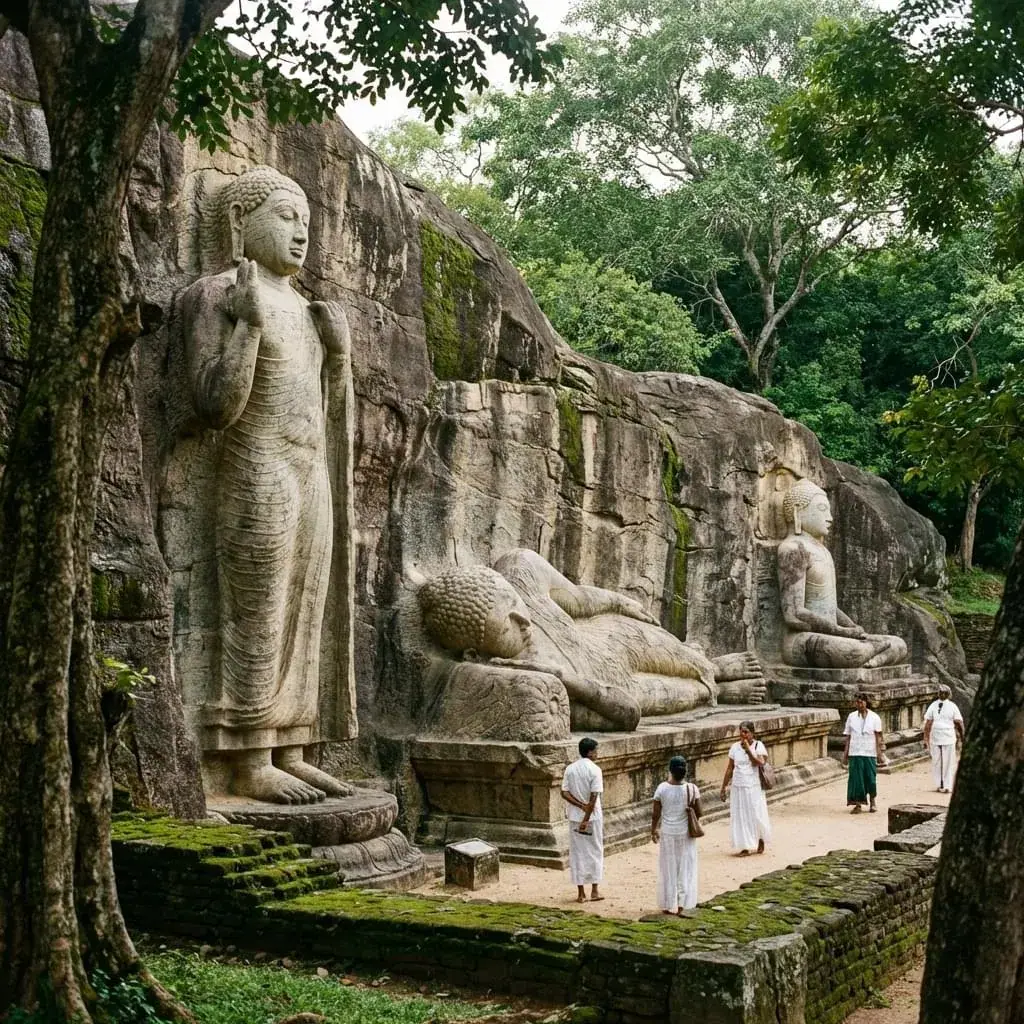
The name Aluvihara, derived from the Pali word 'Aloka' (light), reflects the temple's unusual geography. Situated amidst massive boulders that fallen from the surrounding hills, many of the caves here are surprisingly well-lit throughout the day. The complex consists of 13 primary rock caves converted into shrine rooms. As you explore these natural chambers, you will find intricate murals that depict the traditional Buddhist cosmology, tales of the Buddha's past lives, and even graphic, cautionary imagery of the various realms of existence—a hallmark of traditional Sri Lankan religious art.
The Ola Leaf Library and the Golden Buddha
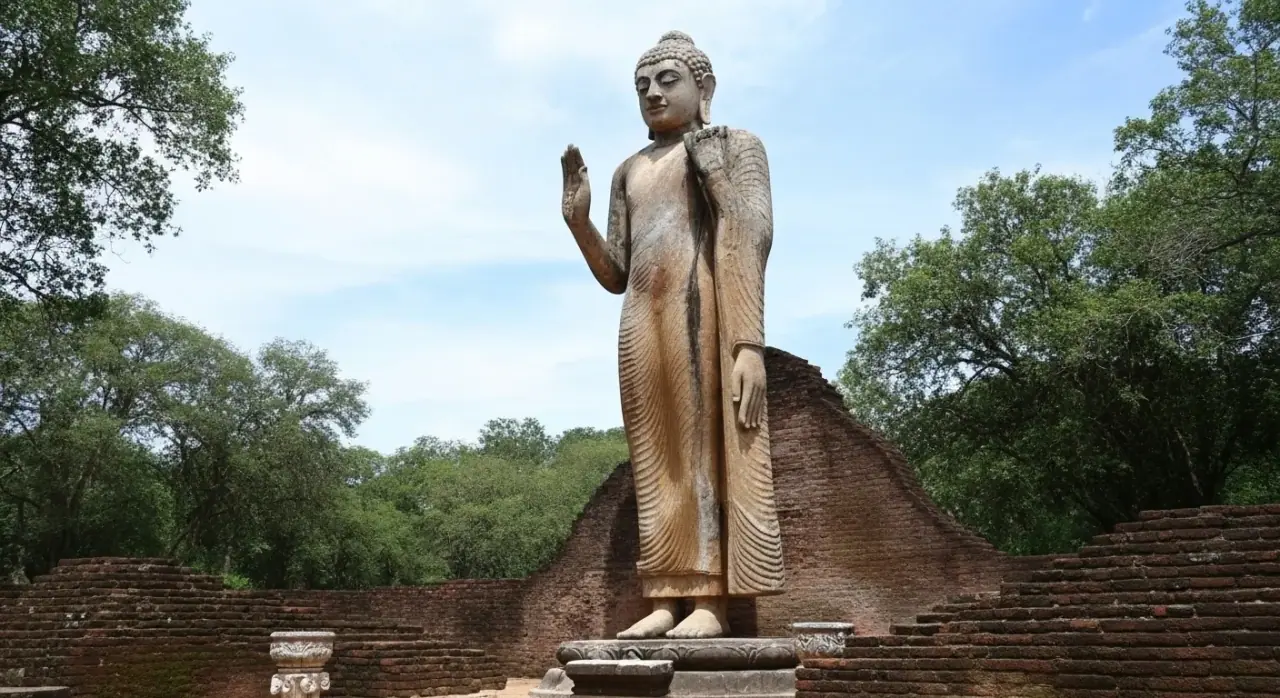
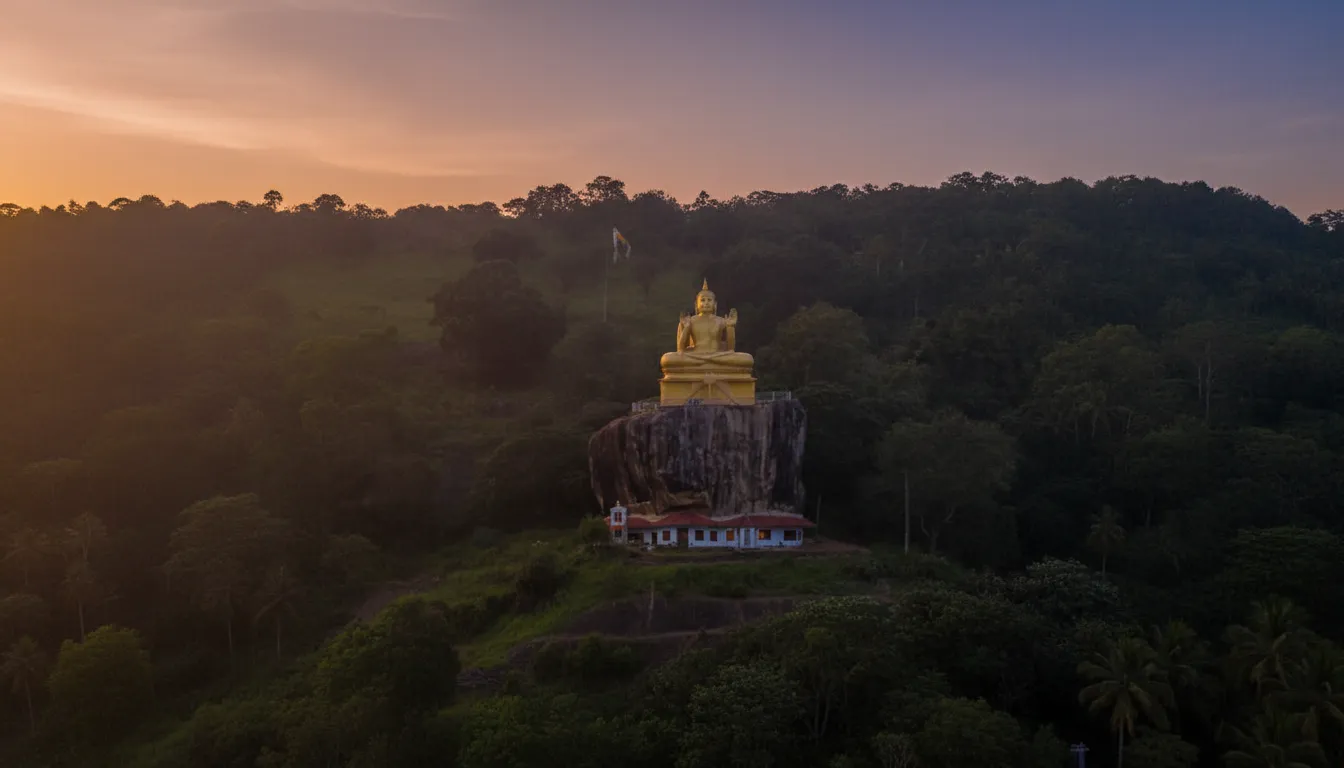
A visit to Aluvihara is incomplete without witnessing the living tradition of the Ola Leaf Manuscripts. The temple houses a specialized museum and library where monks and craftsmen still demonstrate the ancient art of writing on palm leaves with a metal stylus—the same technique used 2,000 years ago to record the Tipitaka. Beyond the library, a steep climb up spiral stone stairs leads to the summit of the rock, where a massive Golden Seated Buddha looks out over the valley, offering a space for quiet worship under the shade of a sacred Bo tree.
Historical Resilience
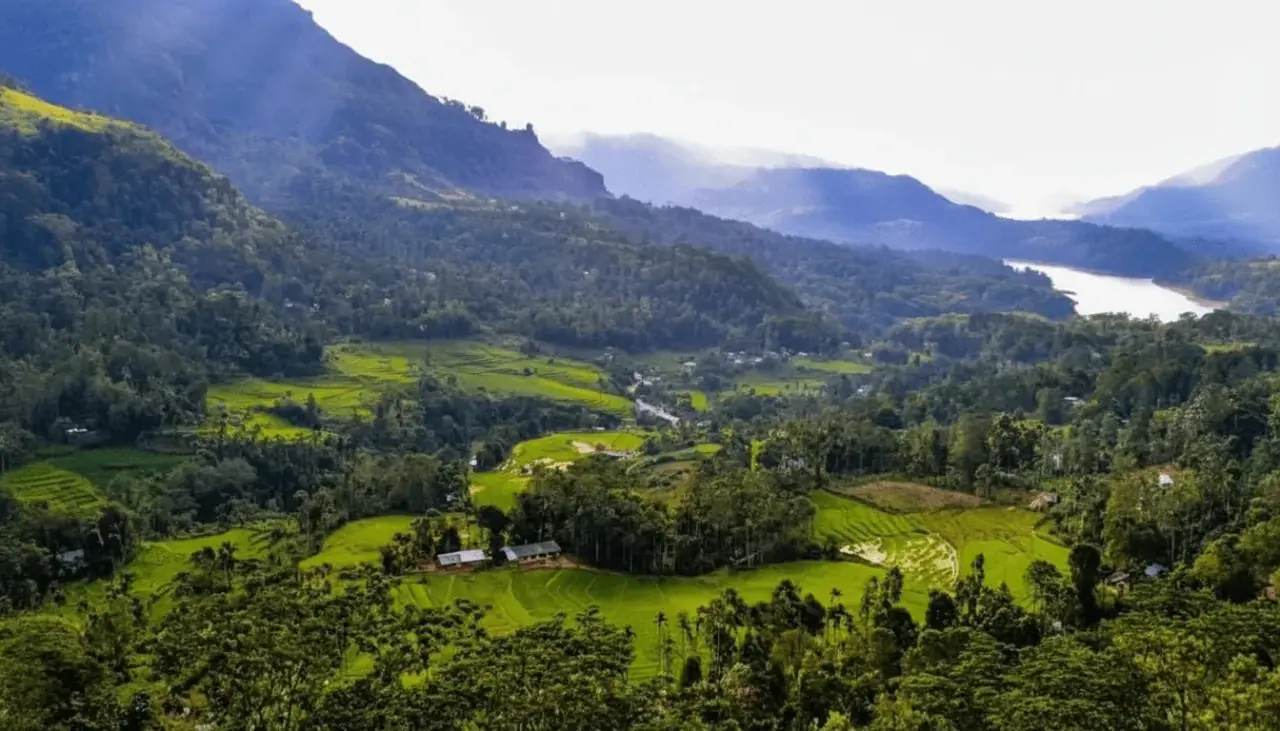
The temple's physical beauty is matched by its story of resilience. Having survived the Dutch and British colonial periods—including a devastating fire in 1848 that destroyed many original manuscripts—the temple has been meticulously restored and remains a vibrant center of Theravada Buddhist scholarship. Its serene, mist-covered hillside atmosphere makes it a much-needed sanctuary for travelers transitioning between the bustling city of Kandy and the northern plains.
Scholarly Exploration with HBS Tours
We provide a deeper, more contextual encounter with one of Asia's most important religious libraries:
- Ola Leaf Workshops: We arrange for private demonstrations where you can observe the traditional process of treating palm leaves and see the intricate work of the scribes up close.
- Thematic Cave Walks: Our guides focus on the historical narrative of the 1st-century BCE council, helping you identify the specific caves where the Tipitaka was transcribed.
- Hillside Sunset Meditation: We time our visits so you can reach the Bo tree summit just as the evening chants begin, providing a peaceful conclusion to your Matale journey.
Travel Logistics: Planning Your Visit
Aluvihara is located on the main Kandy-Dambulla road, making it an ideal stopover. The temple is open daily from 7:00 AM to 6:00 PM. Visitor Etiquette: Modest dress (covering shoulders and knees) is required, and shoes must be removed before entering the courtyard. The climb to the summit and the library involves several flights of stairs, which can be slippery when misty, so careful footing is advised. HBS chauffeur services provide a seamless stop at Aluvihara, ensuring your comfort with refreshments and cold towels waiting at the vehicle.