The Quintessential Experience of Pinnawala Elephant Orphanage
Pinnawala: A Global Sanctuary for the Gentle Giants
Established in 1975 by the Sri Lanka Department of Wildlife Conservation, the Pinnawala Elephant Orphanage has grown from a small nursery for five orphaned baby elephants into the world's most successful captive elephant breeding and conservation center. Nestled on a 25-acre coconut property near the Maha Oya river, this institution was founded to provide care and protection to many of the orphaned unweaned wild elephants found wandering in and near the forests of Sri Lanka.
Conservation Success and Breeding Programs
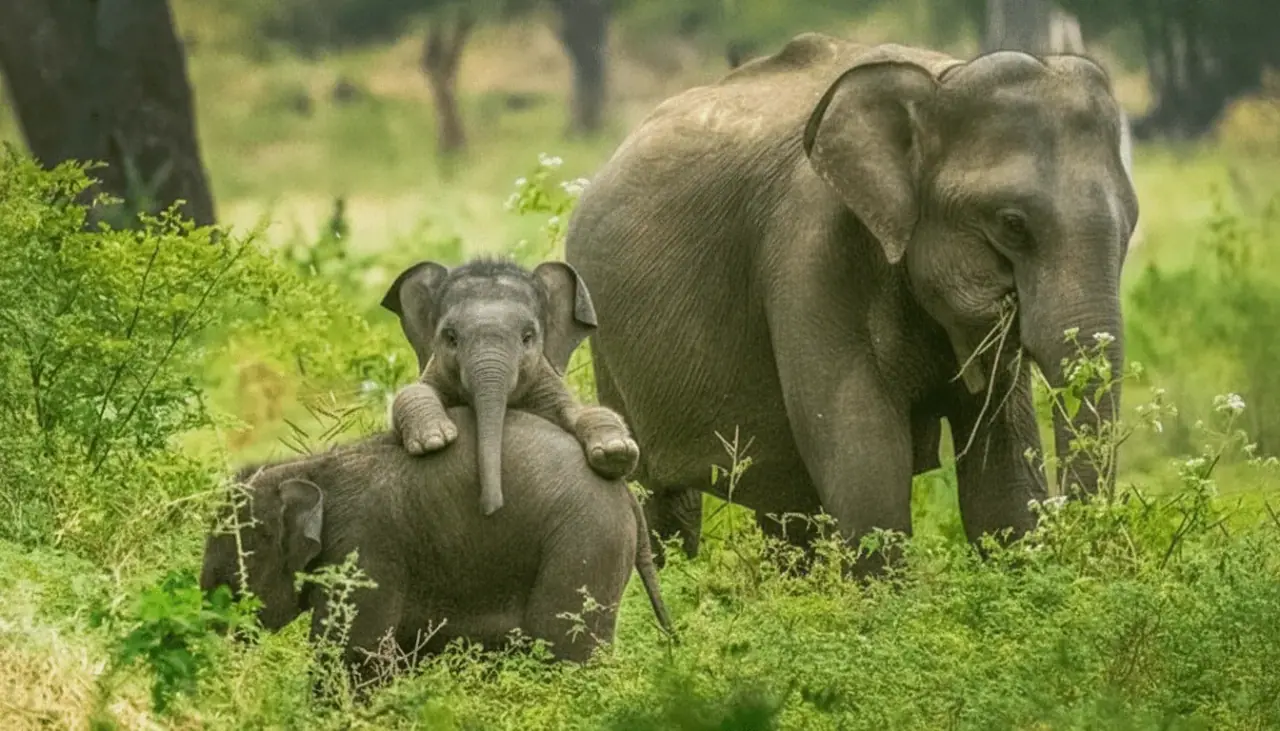
What began as a refuge has evolved into a scientific marvel. Pinnawala launched its breeding program in 1982, and since then, dozens of elephants have been born in captivity—a rare feat that has provided invaluable data to zoologists worldwide. The herd, which often numbers between 70 and 90 individuals, represents a multi-generational community where younger elephants learn social cues from their elders, mimicking the structures of wild herds. This social integration is crucial for the psychological well-being of these highly intelligent mammals.
The Daily Rituals: Milk, Mud, and the Maha Oya
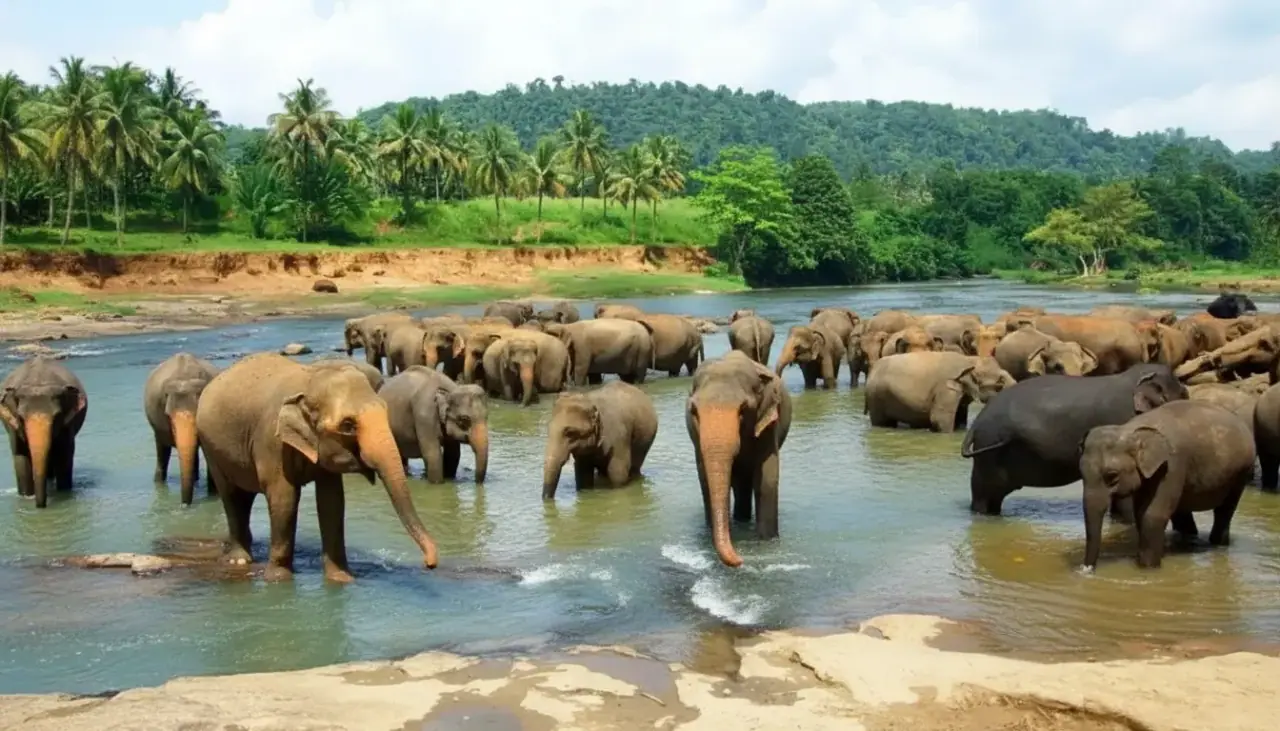
The rhythm of life at Pinnawala is dictated by the elephants' needs. For the visitor, the day is punctuated by two major spectacles that define the Pinnawala experience. The most famous is the River Bath. Twice daily, the entire herd is led across the road and through a narrow village street to the banks of the Maha Oya. Watching dozens of elephants of all sizes descend into the water to splash, play, and scrub themselves against the rocks is a life-affirming sight that connects the viewer to the raw beauty of nature.
Bottle Feeding and Dietary Care
Back at the main complex, the bottle-feeding sessions for the younger calves are a testament to the dedication of the mahouts (elephant keepers). These orphans require large quantities of milk several times a day. While it is a popular photo opportunity for tourists, it is also a vital medical procedure. The adult elephants consume hundreds of kilograms of green fodder—mostly palm leaves and grass—collected daily from the surrounding countryside, showcasing the massive logistical effort required to sustain such a large herd.
Immersive Wildlife Experiences with HBS Tours
We elevate the standard visit into a deep educational journey. Our curated Pinnawala experiences focus on the nuance of conservation:
- Privileged Riverside Dining: We arrange for lunch at a premium restaurant overlooking the Maha Oya, allowing you to watch the entire bathing ritual in comfort while enjoying authentic Sri Lankan cuisine.
- The Mahout's Perspective: Our guides facilitate interactions with senior keepers who explain the individual personalities and histories of the elephants, many of whom have survived traumatic accidents in the wild.
- Conservation Q&A: Learn about the challenges of human-elephant conflict in Sri Lanka and how institutions like Pinnawala serve as a temporary bridge for those that cannot be released back into the wild.
Travel Logistics: Distance and Timing
Pinnawala is strategically located approximately 80 km from Colombo and 40 km from Kandy. Traveling from the airport typically takes 2 hours via the scenic Colombo-Kandy highway. For the best experience, HBS Tours recommends arriving by 9:00 AM to catch the first feeding session and the subsequent walk to the river at 10:00 AM. The terrain is relatively flat and accessible, though we recommend comfortable walking shoes and light cotton clothing to manage the tropical humidity.