The Quintessential Experience of Bundala National Park
Bundala: A Symphony of Wing and Water
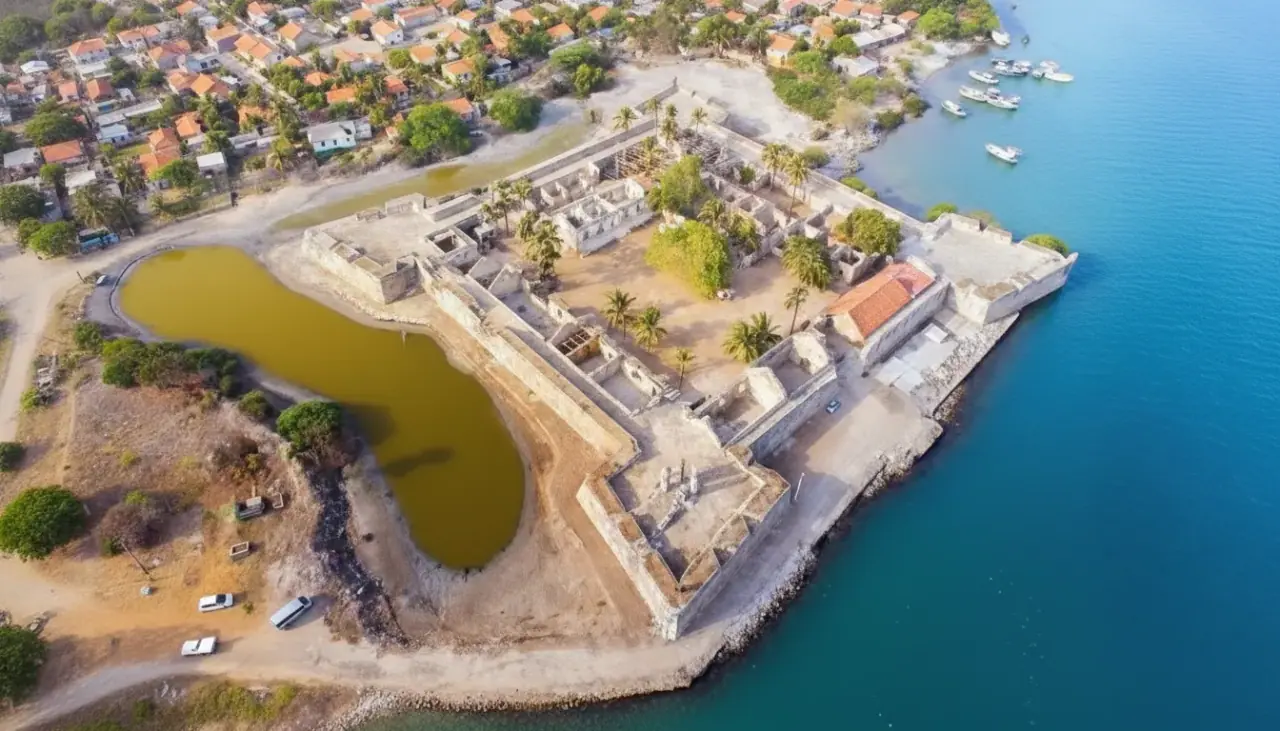
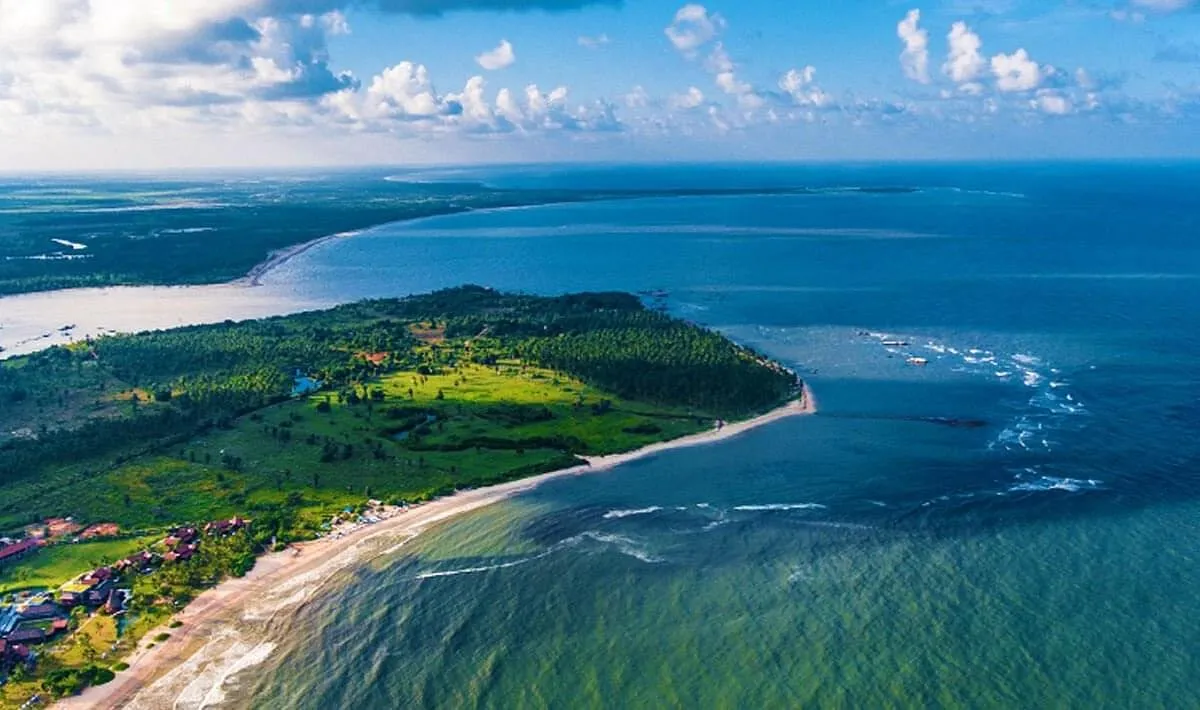
Bundala National Park is a haven for avian enthusiasts and nature lovers. Recognized as the first Ramsar site in Sri Lanka, this coastal wetland is a vital wintering ground for thousands of migratory birds that travel the Central Asian Flyway. Its complex ecosystem of scrub jungle, lagoons, and salt pans creates a vibrant landscape where water and earth meet.
A Migratory Hub
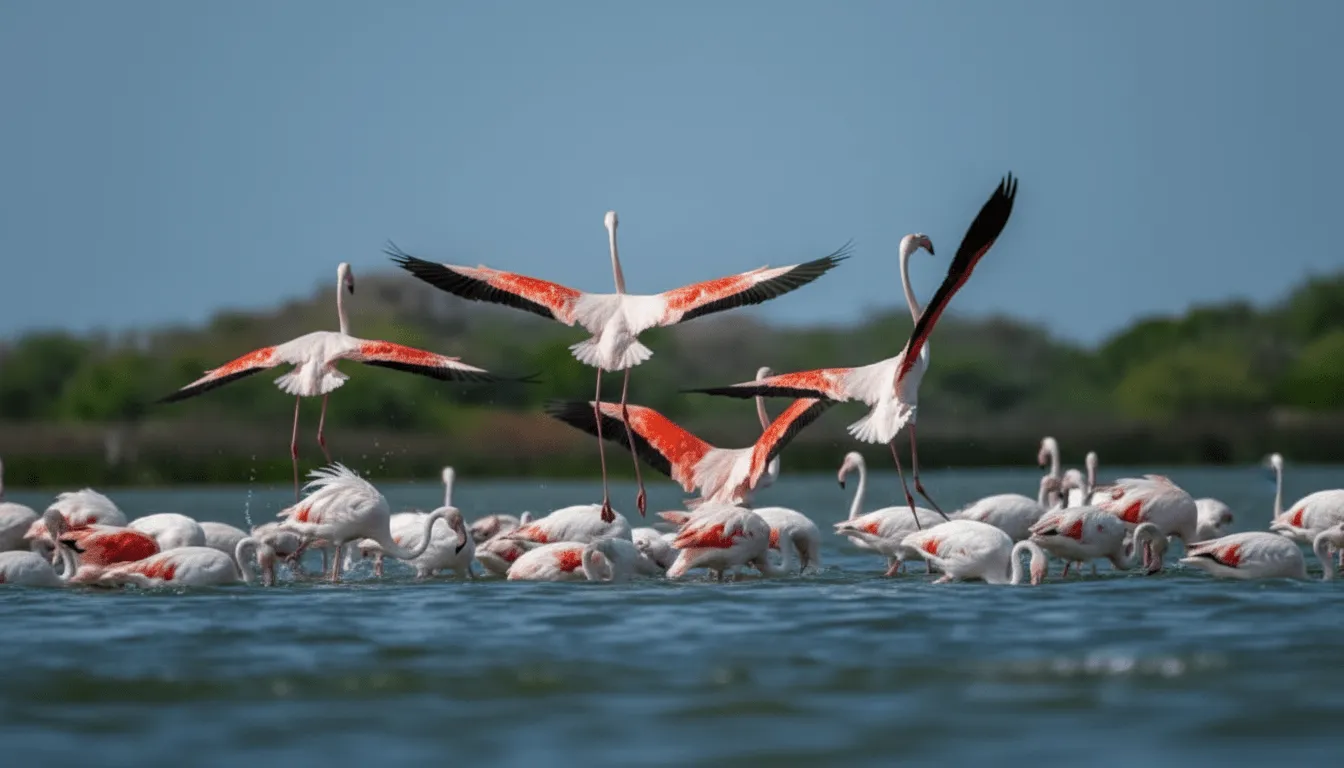
Every year, between September and March, Bundala erupts with life as over 197 species of birds take residence. The sight of vast flocks of Greater Flamingos feeding in the shallow lagoons is a truly iconic experience. The park’s diverse habitats also support a significant population of resident birds, making it a year-round paradise for birdwatchers.
Beyond the Birds
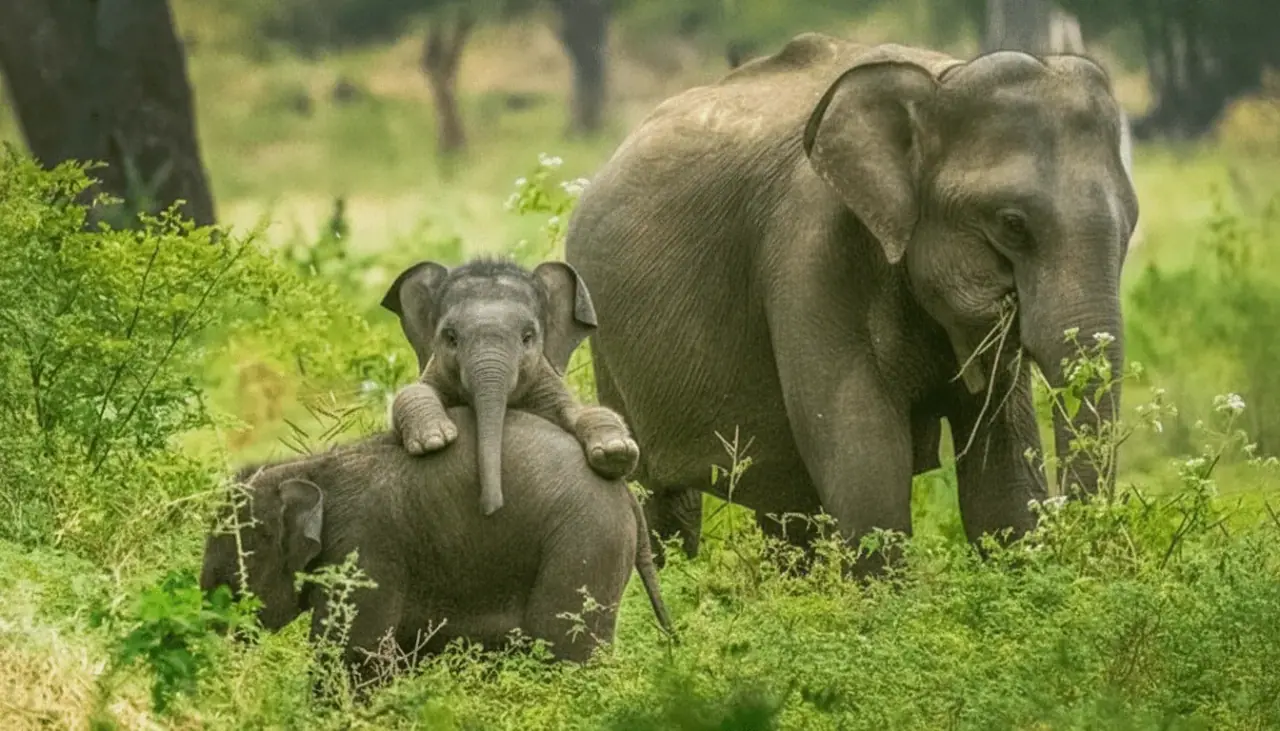
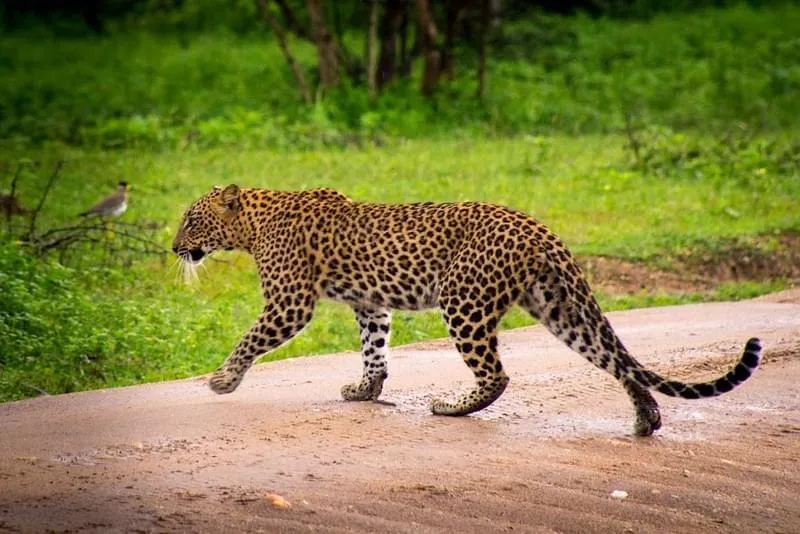
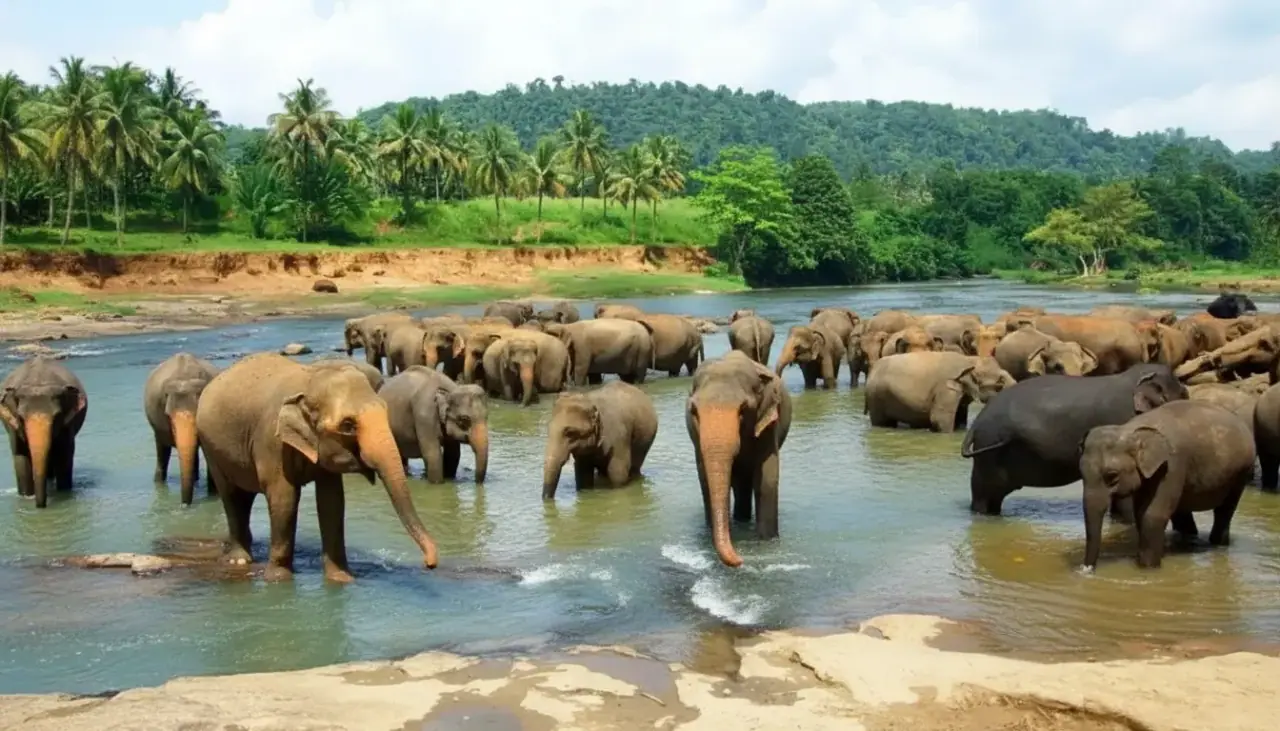
While birds are the main draw, Bundala also hosts a variety of mammals and reptiles. Small herds of elephants are frequently seen near the lagoons, and the park is home to both mugger and saltwater crocodiles. The sandy beaches of Bundala serve as important nesting grounds for all five species of marine turtles that visit Sri Lankan shores.
Coastal Charm
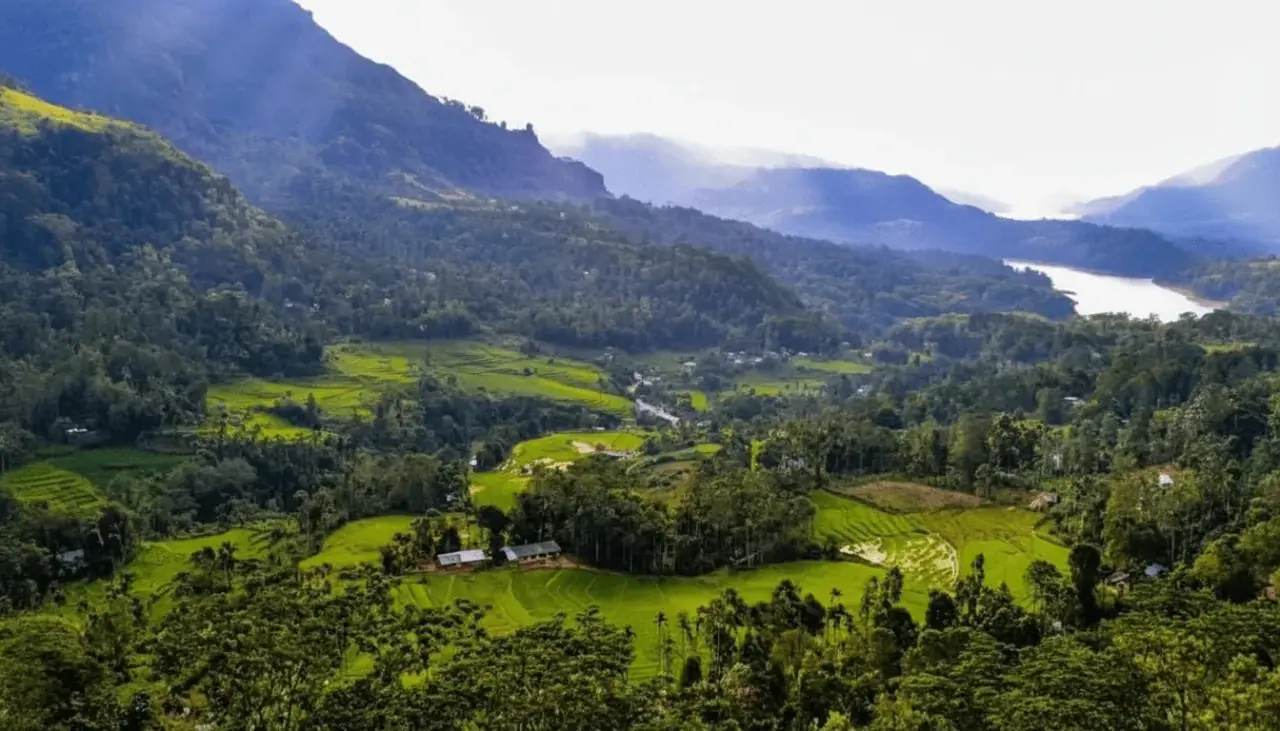
The park’s landscape is uniquely beautiful, featuring vast sand dunes and ancient fossilized remains. The interplay of sunlight on the salt pans at dusk creates a shimmering, ethereal atmosphere that is quite different from the dense jungles of inland parks. It is a place of quiet beauty and immense biological importance.
Immersive Nature Tours with HBS Tours
We provide specialized experiences for nature enthusiasts:
- Guided Birding Safaris: Led by naturalists who specialize in avian identification and behavior.
- Lagoon Boat Expeditions: Quietly navigating the waterways to observe nesting birds and crocodiles up close.
- Conservation Insight Walks: Learning about the Ramsar wetland status and local turtle conservation efforts.
Travel Logistics: Visiting the Wetlands
Bundala is located near the city of Hambantota, making it easily accessible for a morning or afternoon excursion. The best time for birdwatching is early morning (6:00 AM) or late afternoon. Binoculars and a long-lens camera are highly recommended. The park is less crowded than Yala, offering a more serene and intimate wildlife experience.