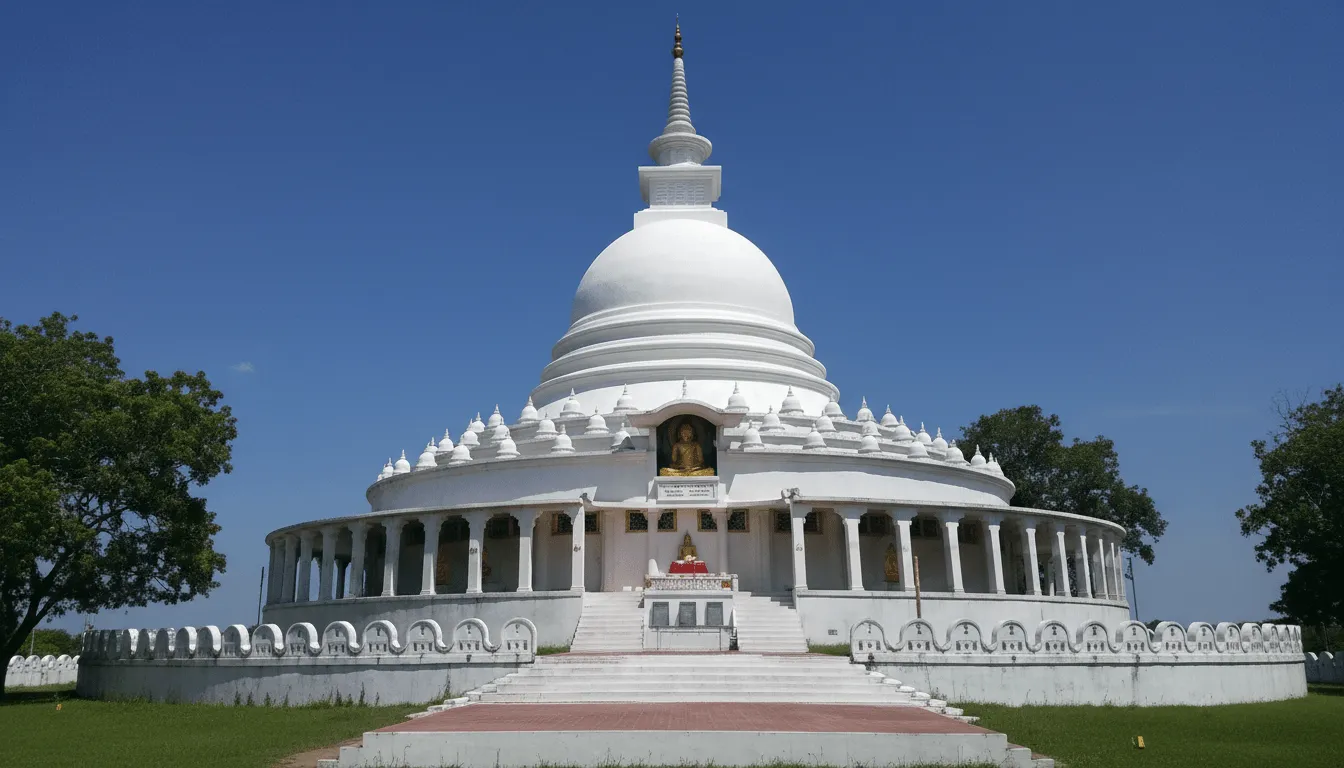
The Quintessential Experience of Japanese Peace Pagoda
Japanese Peace Pagoda: A Beacon of Universal Harmony
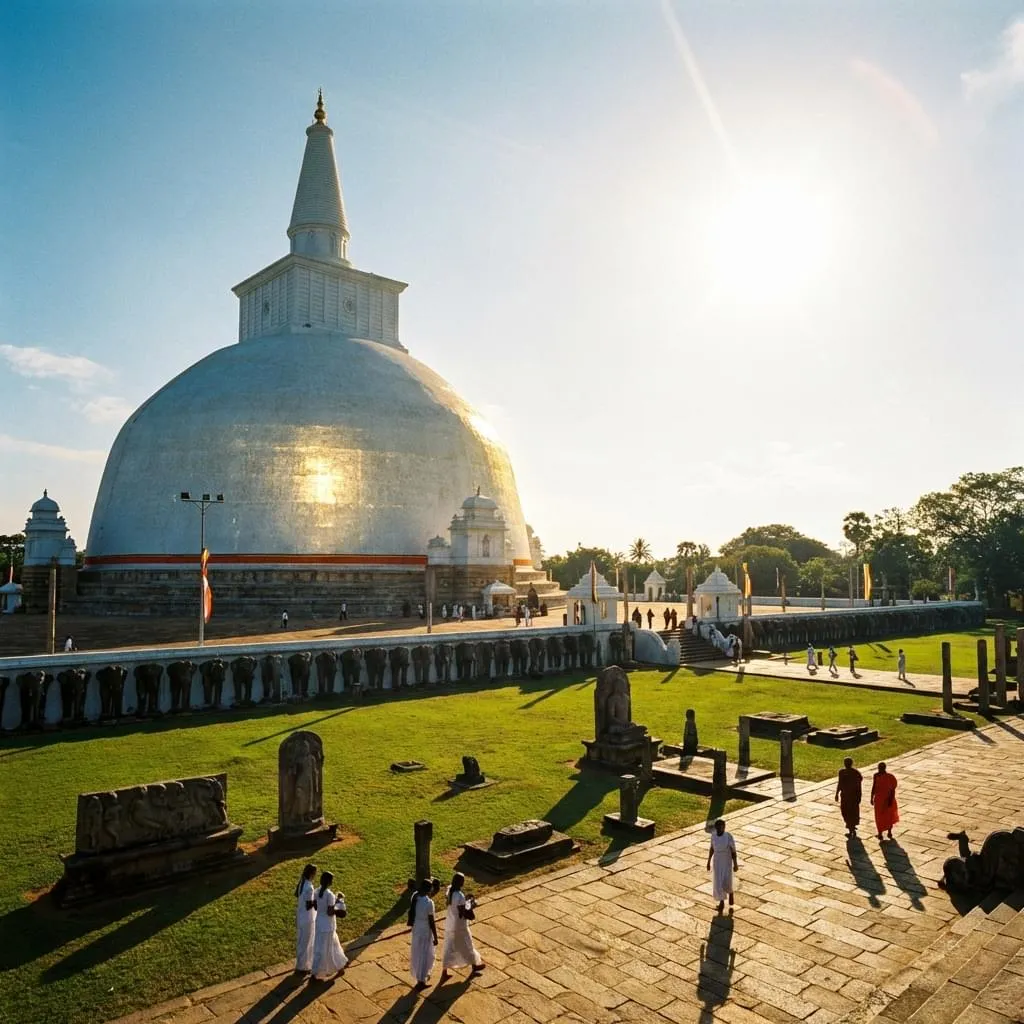
Standing tall on the summit of the Rumassala Hill, the Japanese Peace Pagoda is a striking white monument that overlooks the Indian Ocean and the Galle Fort. Gifted by the Nipponzan Myohoji Buddhist order from Japan, it is one of over 80 such pagodas built worldwide to inspire the search for world peace after the devastation of World War II.
Symbolism and Architecture
The stupa is designed in the classic dome shape, representing the mind in a state of nirvana. Four large, golden Buddha statues adorn its base, depicting the four main stages of the Buddha's life: Birth, Enlightenment, First Sermon, and Death. The intricate carvings and the absolute purity of the white structure against the deep blue of the ocean create a visual experience of profound serenity.
The 360-Degree Perspective
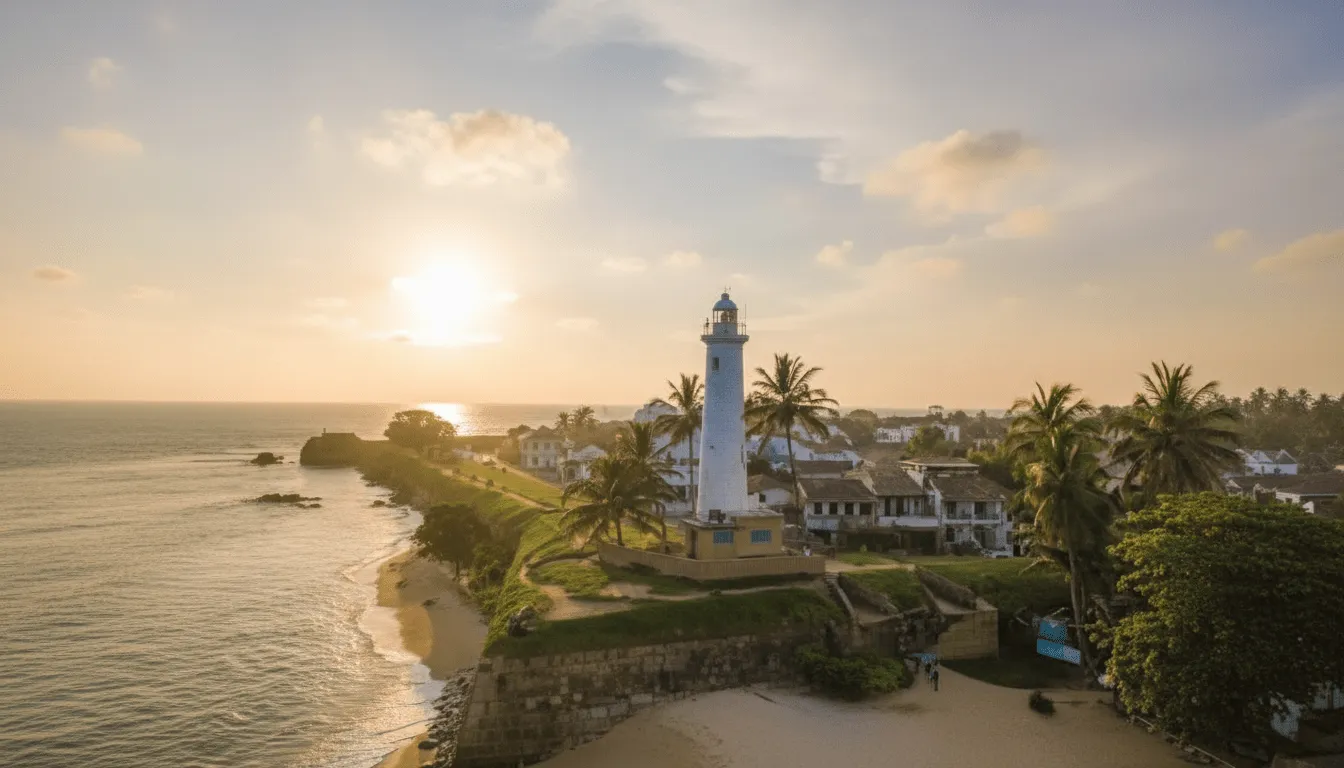
The pagoda offers perhaps the most spectacular panoramic view in the Southern Province. From its base, you can see the entire arc of the Galle Fort ramparts, the busy harbor, and the distant horizon of the Indian Ocean. It is a place where the grandeur of geography meets the quietude of the human spirit.
The Sound of Serenity
Daily chants and the rhythmic beating of traditional Japanese drums often echo through the hill in the early morning and late evening. Even during the heat of the day, the breeze coming off the ocean makes the pagoda grounds significantly cooler and more pleasant than the town below.
Spiritual Journeys with HBS Tours
We curate visits that honor the sanctity and beauty of the site:
- Sunrise Chauffeur Tours: Arrive before the morning heat to witness the first light hitting the golden Buddha statues.
- Meditation & Mindfulness: Private sessions arranged in the quiet gardens surrounding the pagoda.
- Photography Expeditions: Professional guidance on capturing the perfect shot of the Galle Fort through the white archways of the pagoda.
Travel Logistics: Honoring the Sanctuary
The Peace Pagoda is easily accessible by vehicle via the Rumassala Road. As it is a sacred site, guests are required to dress modestly (shoulders and knees covered) and remove their shoes before walking on the upper levels of the stupa. The site is open to the public from 7:00 AM to 6:00 PM daily.