The Quintessential Experience of Hikkaduwa Coral Reef
Hikkaduwa: Sri Lanka's First Marine National Park
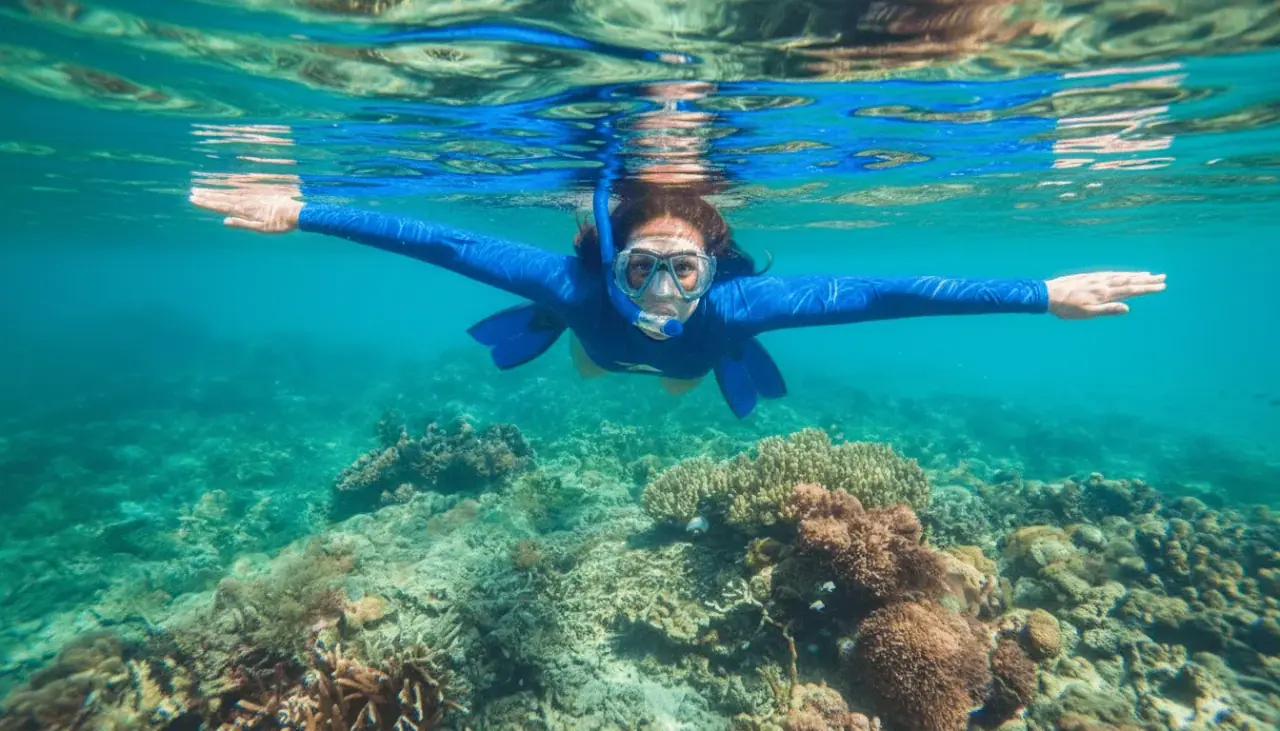
Hikkaduwa is synonymous with the vibrant underwater heritage of Sri Lanka. Declared a marine sanctuary in 1979 and later a National Park in 2002, it protects one of the most accessible coral reefs in the Indian Ocean. The reef consists of over 60 species of hard corals and is a vital nursery for hundreds of species of tropical fish.
Close Encounters with Gentle Giants
One of the unique aspects of Hikkaduwa is the presence of resident Green Sea Turtles. These massive but gentle creatures often swim right up to the shore, allowing visitors to see them in a completely natural setting. Farther out on the reef, snorkelers can encounter moray eels, parrotfish, and school of colorful damsel fish darting among the brain corals and staghorn formations.
The Glass-Bottom Perspective
For those who prefer to stay dry, Hikkaduwa is famous for its fleet of glass-bottom boats. These vessels allow families and non-swimmers to peer into the crystal-clear depths and witness the complex ecosystem of the reef comfortably. It's an educational and awe-inspiring experience for all ages.
Diving into History
For certified divers, Hikkaduwa offers more than just corals. The area is home to several historic shipwrecks, including the Earl of Shaftesbury and the SS Rangoon. Diving these sites offers a hauntingly beautiful glimpse into the 19th-century maritime history of the region.
Marine Adventures with HBS Tours
We provide exclusive access to the best the reef has to offer:
- Private Marine Naturalist Tours: Snorkeling sessions led by experts who can identify the diverse species and explain the ecology of the reef.
- Luxury Glass-Bottom Boat Charters: Private boat hire for families to explore the reef away from the crowds.
- Introductory Scuba Lessons: Private 'Discover Scuba' sessions in a safe, controlled environment for first-time divers.
Travel Logistics: Protecting the Reef
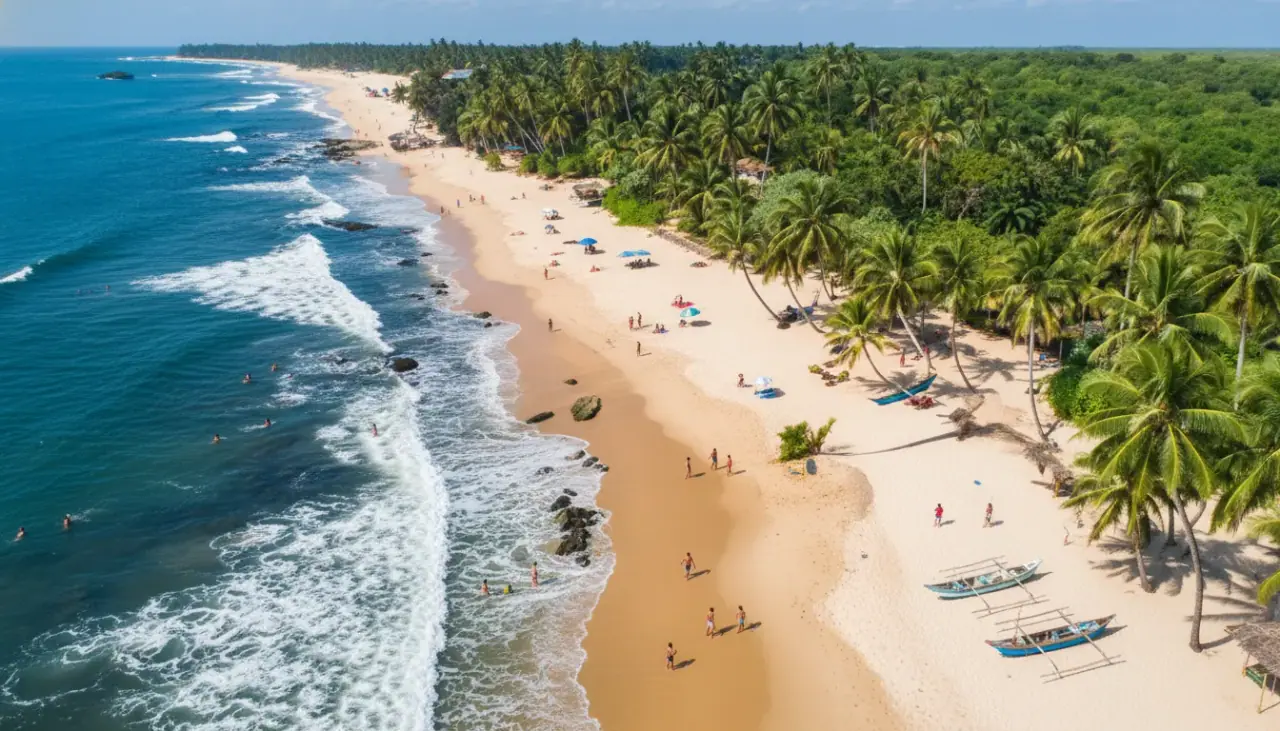
Hikkaduwa is approximately 100 km south of Colombo and 20 km north of Galle. The best time for snorkeling and diving is from November to April when the sea is at its calmest. We strongly emphasize 'Responsible Snorkeling'—please do not touch the coral or feed the turtles to ensure this ecosystem survives for future generations.