The Quintessential Experience of Batticaloa Fort
Batticaloa Fort: A Bastion of Multilayered Heritage
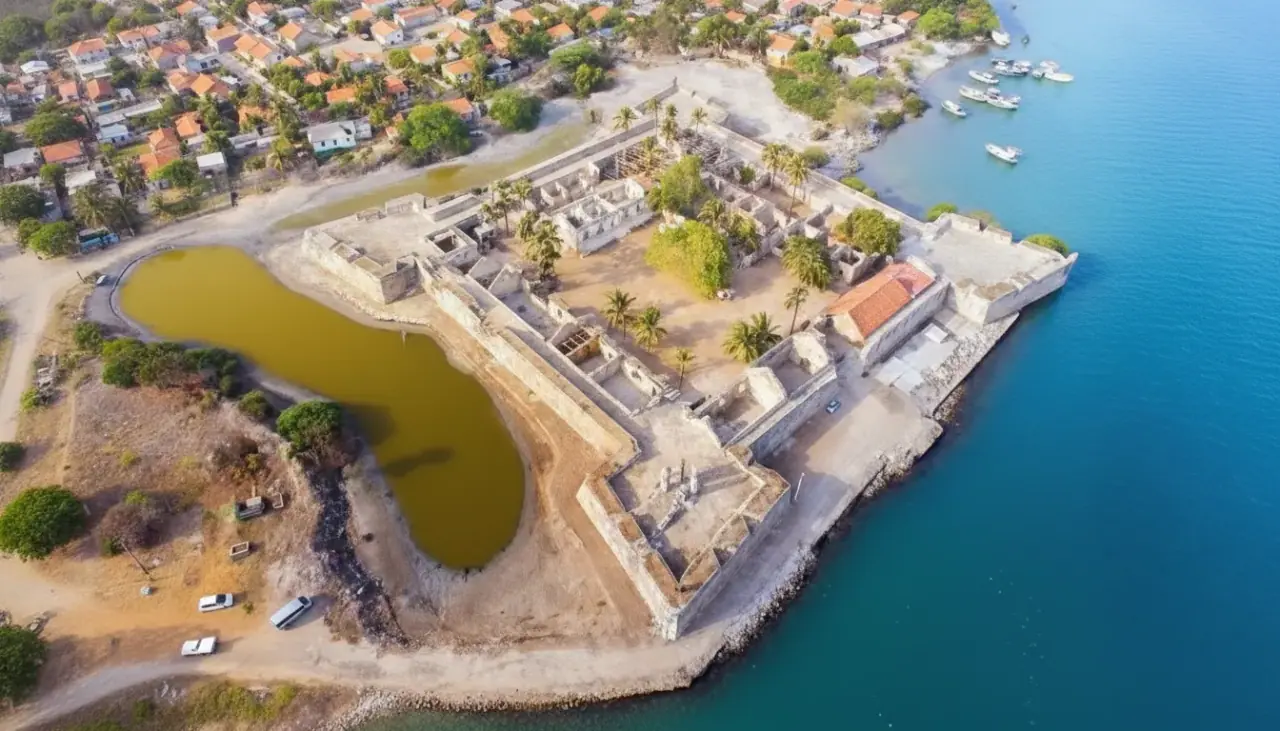
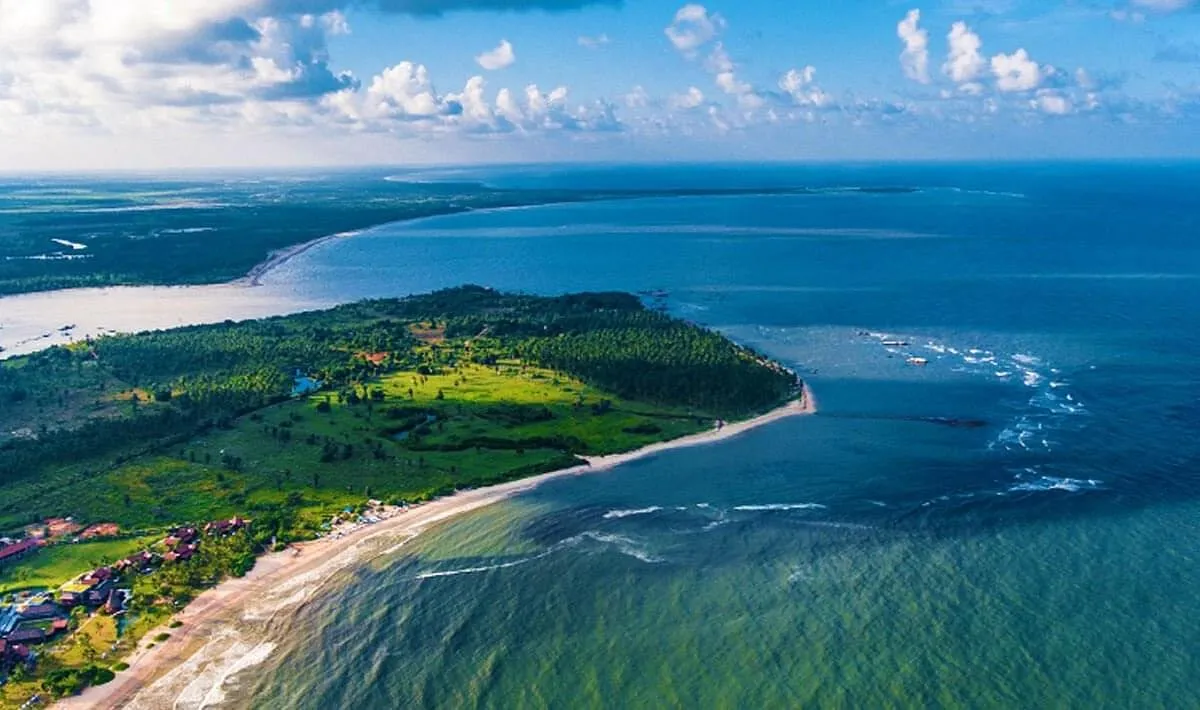
Strategically positioned on the Puliyanthivu island, the Batticaloa Fort is a remarkable four-bastion fortification that serves as a stone chronicle of Sri Lanka's colonial and pre-colonial past. While the current physical structure was largely finalized by the Dutch in the 17th century, the site's history stretches back much further. In April 1622, the Portuguese began construction of the initial fort, completing it by 1628. Its primary purpose was to control the entrance to the strategic Batticaloa lagoon, a vital hub for the cinnamon and spice trade. Just ten years later, in 1638, the fort became the first Portuguese stronghold to fall to the Dutch, marking the beginning of nearly two centuries of Dutch presence in the region.
Ancient Foundations: The Ruhuna Era Stupa
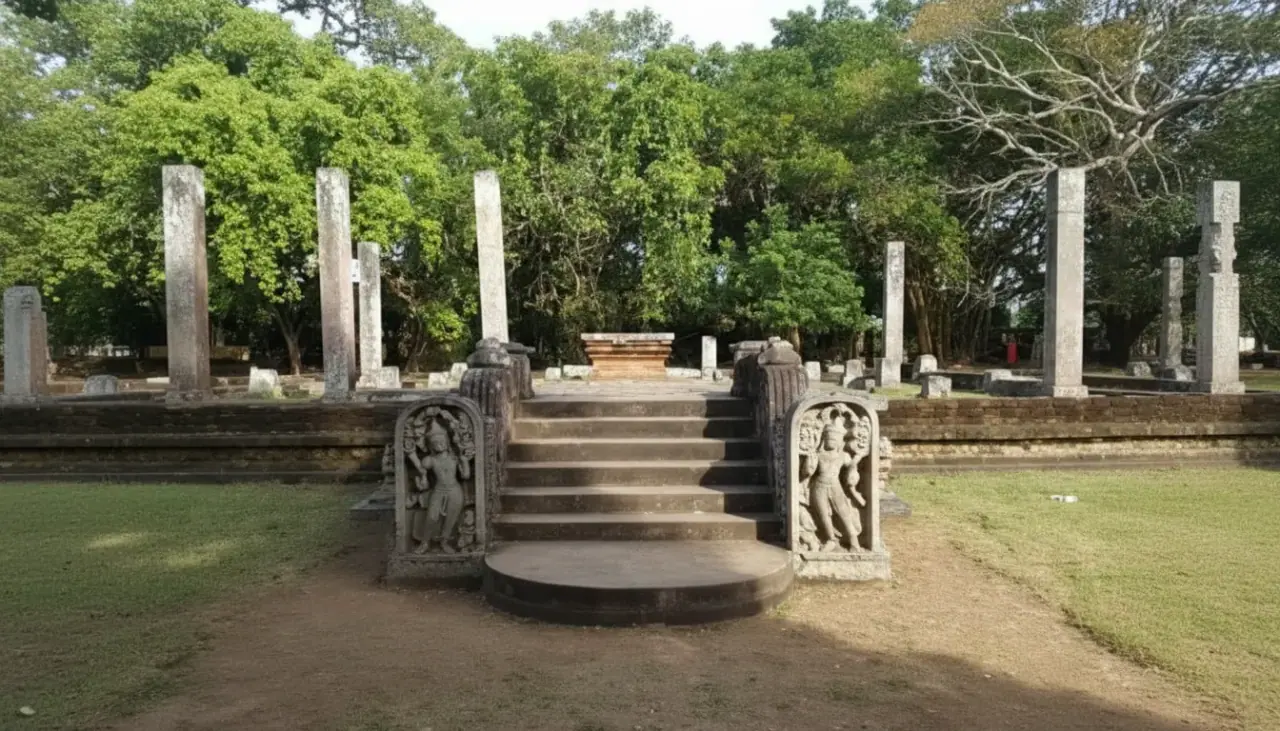
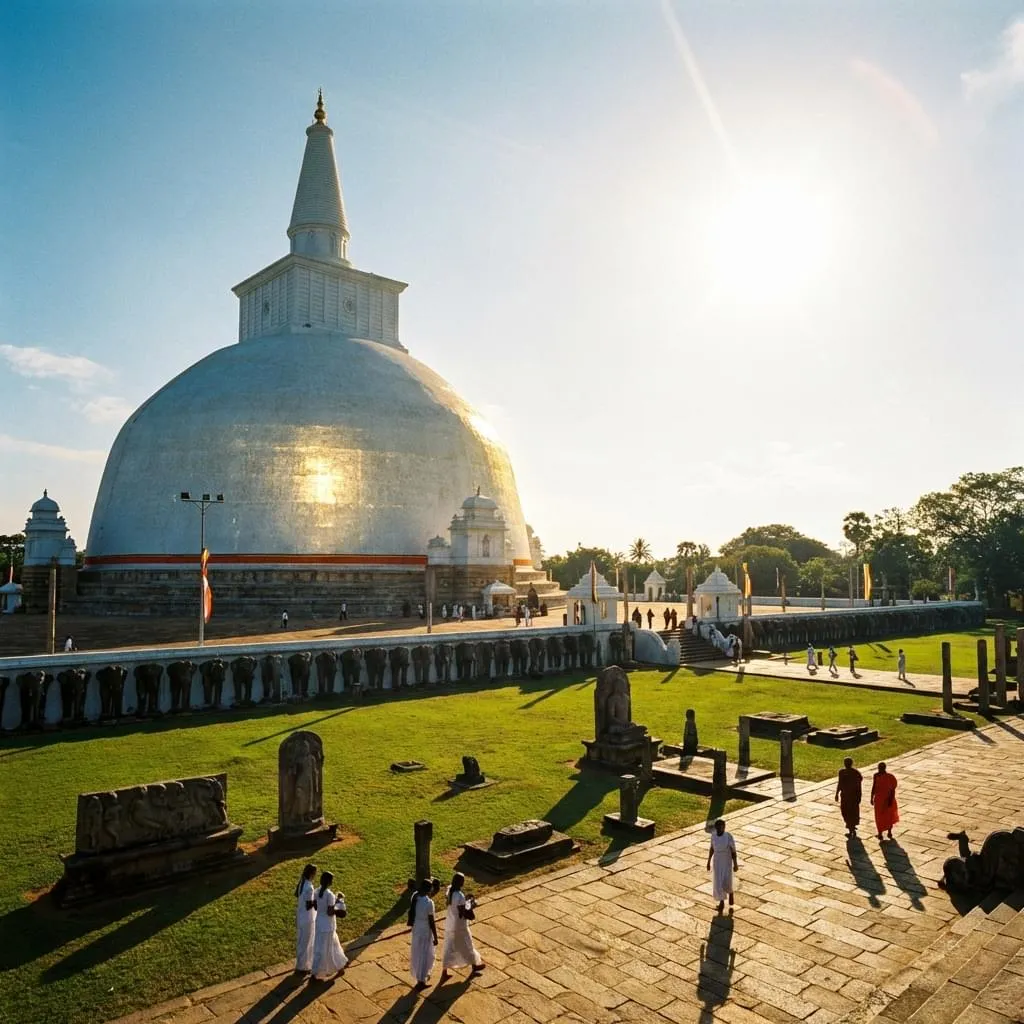
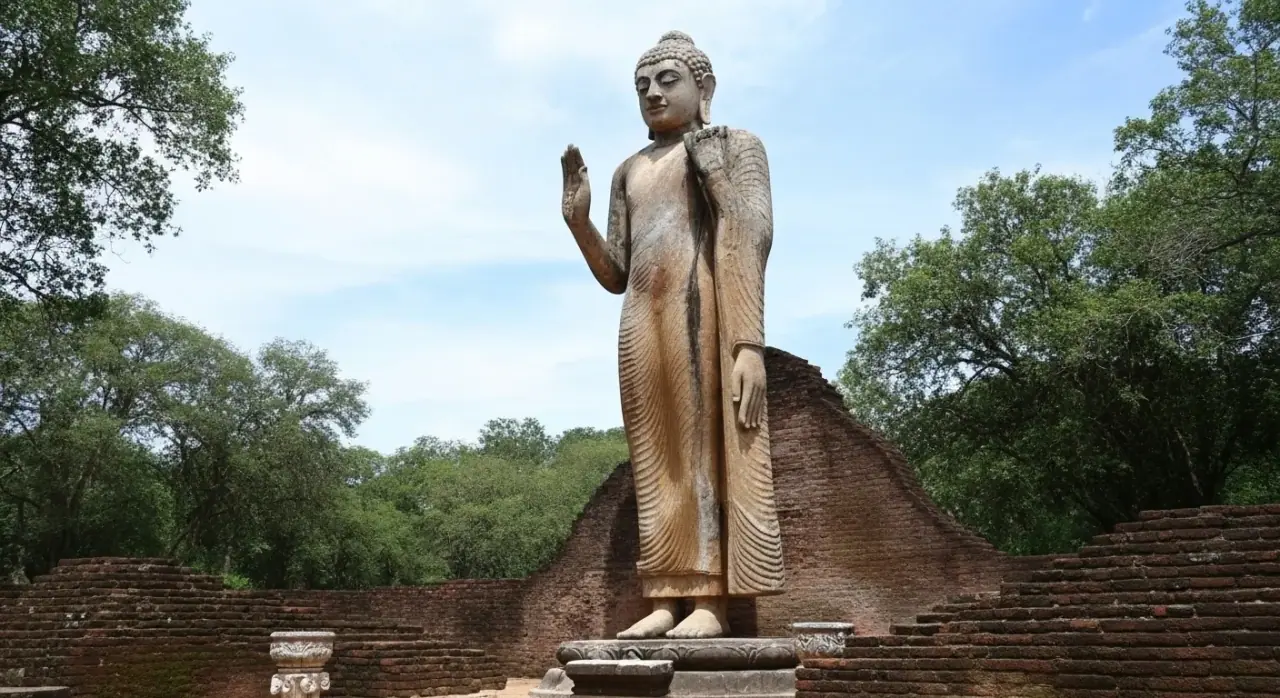
One of the most fascinating aspects of Batticaloa Fort is what lies beneath and within its colonial masonry. During archaeological excavations, researchers discovered the remains of a Ruhuna era stupa dating back to the 1st century B.C. (Anuradhapura period). This suggests that the Puliyanthivu island was a significant religious site long before the arrival of European powers. The presence of this ancient Buddhist monument within the walls of a European fortress reflects the dynamic, multilayered history of the island, where different faiths and powers have occupied the same sacred ground over two millennia.
Colonial Architecture and the "Living Fort"
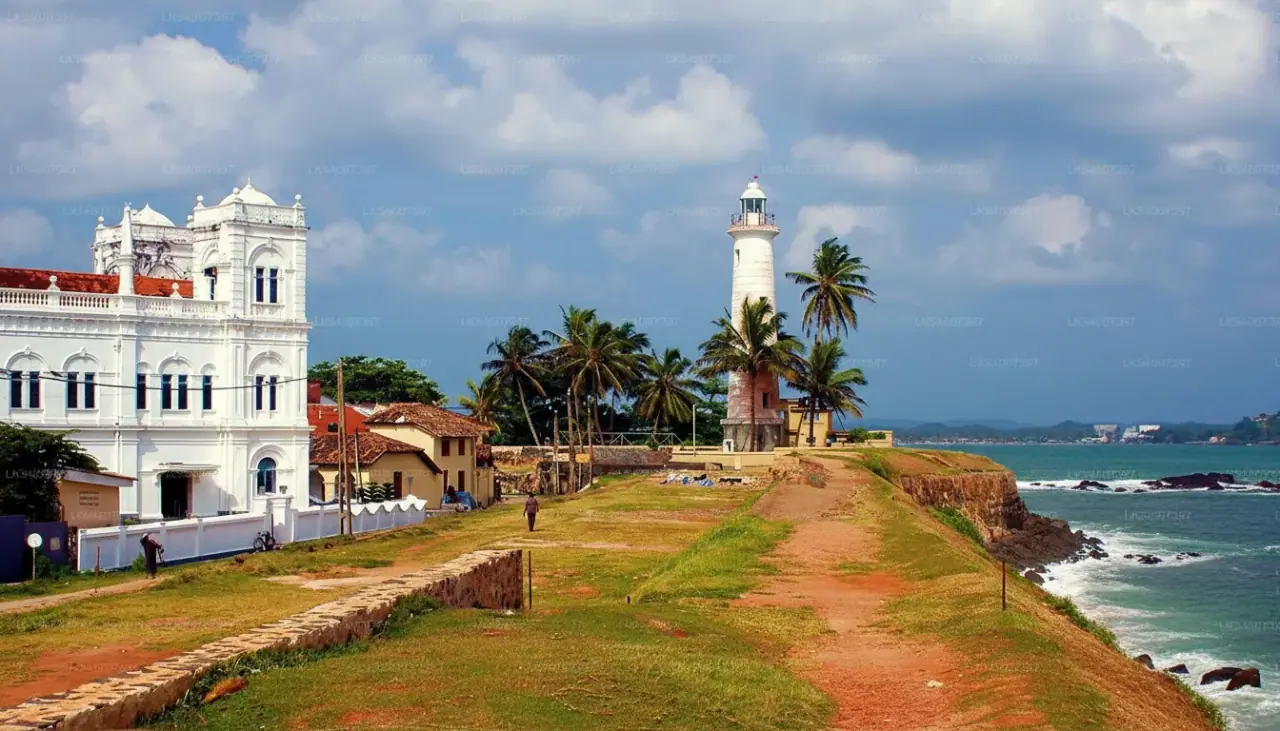
The fort is characterized by its thick coral-and-granite walls and its four imposing bastions named after Dutch royalty and provinces. Unlike many purely tourist-oriented heritage sites, Batticaloa Fort is a functional "living fort." Today, it houses the District Secretariat and several local government offices. Visitors can walk the ramparts and observe the 18th-century Dutch architecture, complete with colonial-era cannons that still point out towards the lagoon. The serene atmosphere, with ancient banyan trees providing shade to the administrative buildings, creates a unique juxtaposition of modern governance within a historic garrison.
Heritage Narratives with HBS Tours
We believe history is best experienced through storytelling. Our fort tours include:
- Archaeological Insights: Our guides provide in-depth explanations of the pre-colonial Stupa discovery and the Buddhist heritage of the island.
- Cinnamon Trail Stories: Learn about the trade routes that made this lagoon so valuable to the Portuguese and Dutch empires.
- Sunset Rampart Walks: A private walk along the city-side ramparts, offering the best views of the lagoon's traditional fishing methods as the day winds down.